Writing the Eulogy

img734


My mom passed away on June 12 at 11:50 PM. I was at her bedside when she passed. That’s a moment I’m not ready to write about, but the experience of writing the eulogy for her funeral was a significant moment of reflection for me. The italicized portions are excerpts from the final draft of the eulogy.

Formally, I wrote this on June 20, two days before the funeral, but in truth it had been rumbling around in my head for months, and I was struggling. Truly warm, positive memories of my mother simply were not imprinted in my brain. She wasn’t a bad mom, just an intense woman who thought keeping everything clean all the time was her most important mission in life.

As my sister and I spent a mind-numbing week dealing with funeral preparations, I sought her out, her memory of our childhood being so much better than mine. I came to find that she likewise was having trouble remembering Leave it to Beaver moments from our early years:

When my sister and I sat down to talk about this eulogy both of us felt some discomfort over not being able to recall many warm anecdotes about mom from our childhoods.

 Oh, there was the time when she was playing with us all in the back yard pool, and ran to answer the door at the front of our house clad only in her bathing suit where she was greeted by one of our parish priests who was out visiting parishioners. That may have been the moment when her hair began turning gray.

But I think my mom struggled a bit with motherhood, exhibiting a certain rigidity and devotion to cleanliness that we messy children could never quite achieve. I attribute at least some of that to her having been raised by a strict and demanding father.

 We both agreed that dad had been a mellowing influence on her and that she evolved over time, especially as she embraced her role as grandmother:

But if she had some challenges as a mom, she was lucky enough to pick the perfect mate, my dad, Jack Waldron. My dad’s innate kindness and his unqualified love for her, certainly softened her rough edges and helped her become the loving woman that most of you knew. Down to his final day, my dad, the man who knew her best, referred to her as “my angel.”

As a grandmother, she lavished care and love on her five grandchildren. When the kids didn’t want to go to school, they would pretend to be sick just so my mom or dad would pick them up, watch The Price is Right with them, and spoil them rotten for the whole day. Mom rarely missed a softball game or soccer match and all of the kids got chances to accompany mom and dad on camping trips.

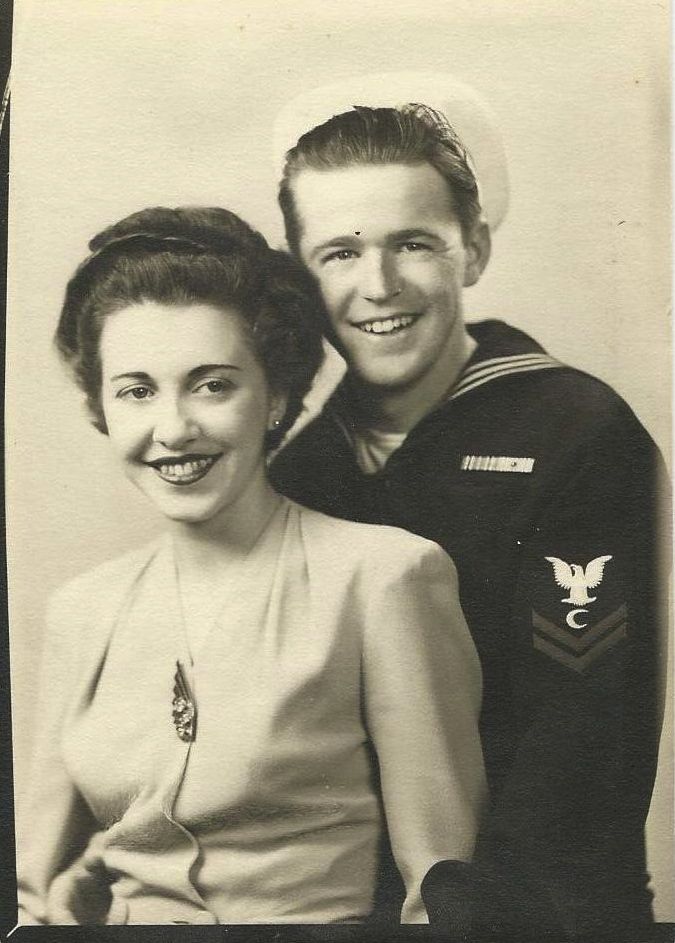
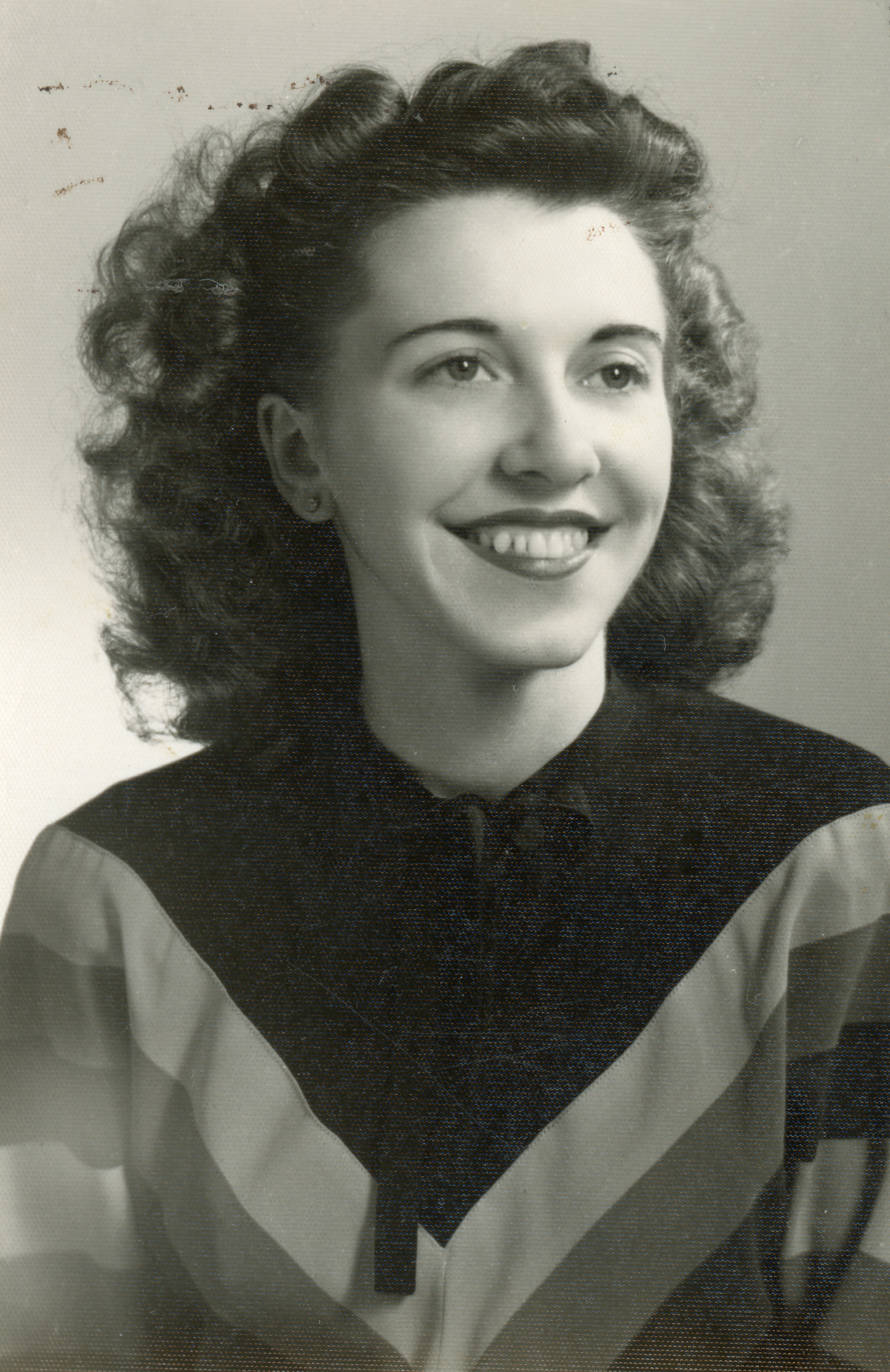
Then in sorting through her stuff, I came across the picture above and was just startled by her radiant beauty, a nursing graduate at 25. That picture seemed to show her so full of happiness, energy, and plans for the future. It is exactly the way I want to remember her, and it made me wonder why some of that had gotten lost on her way to motherhood:

In going through old photos I discovered the picture of my mom as a radiant 25 year-old woman, just graduated from nursing school that you may have noticed in the lobby of the church. My mother loved nursing and attending to the needs of other. For over 25 years, she did so in hospitals and in doctor’s offices. To me, that picture embodies the spirit of love that she shared not only with her patients, but also with her friends, and within the church community.

 While the last three years with her at the board-and-care home were painful and torturous for me, every person who worked with her or attended to her would comment to me on how sweet she was and what a beautiful smile she had and how happy they were that she was there. This was even when she would growl out demands for food and keep them up all night, insisting on walking around the facility or sitting up in her chair at ungodly hours. Three of her attendants were there at the funeral and were weeping throughout

In her last three years at her boar- and-care home, the attendants, the other residents, the extraordinary ministers from Santa Sophia that brought her communion every Sunday, all spoke to me about how much they loved spending time with my mom. This was true even from the beginning when she was prone to break into her own peculiar renditions of “Amazing Grace” or the “National Anthem” her own personal favorites. There was a love and light inside of her that everyone responded to, even as her body and her mind began to fail.

I decided to end on a fanciful note, thinking that, if there were a heaven, my dad might well have been enjoying the bachelor life for the past seven years. I looked up toward the rafters of the church, and raised my voice as if I wanted to be sure my dad could hear:

Dad, if you can hear me up there, I’m giving you a heads up. You’ve had a seven-year vacation, but mom is on her way to re-join you. So you’d better get someone to run the vacuum around and wipe down the kitchen counters—twice. Oh, and have them put an extra chair out on your back porch where I’m sure you’ve been watching the sunsets by yourself for all these years. Your angel is coming home.



Competitive Backpacking

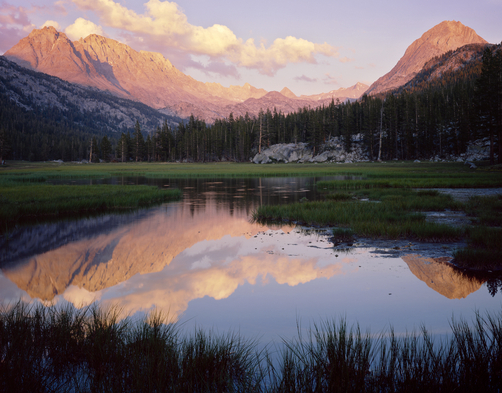
Mount Mendel, Mount Darwin and the Hermit, Evolution Valley, Kings Canyon National Park, Sierra Nevada, California

In the late 80’s and early 90’s every summer meant one week away from the family for the annual “guy’s backpacking trip.” Three or four of us, depending on availability, would gather together and plan a trip, usually in the Eastern Sierra. You would think that backpacking would be the ultimate in collaborative camaraderie, but for some reason, in our group, there was a strong streak of competitiveness.

Part of getting a “win” meant spending the year scouring backpacking and sports stores for some gadget that would make one’s life better for the week on the trail and inspire jealousy among all of one’s partners. My friend Scott was consistently the most creative and that’s why we generally hated him. His one epic fail was a “solar shower,”  a small, black, plastic bag that one was supposed to fill with ice cold stream water, lay out in the sun for an hour or two and then experience the joy of a steaming, hot shower in the wild. In truth, the water never reached anything warmer than tepid and drizzled out in a stream that wouldn’t be strong enough to shower a moderately-sized rat.

But in subsequent seasons, Scott was first to discover the Thinsulite air mattress, a “self-inflating” waterproof sleeping pad far superior to the 2-inch foam pads that we had lugged around for years. He followed that with a sling chair that weighed about 1.5 pounds and allowed him to sit in comfort while we perched on rocks. By the next summer we all had Thinsulite mattresses and sling chairs and that’s when Scott came up with his most perversely successful innovation. He spent an entire $1.95 on an insulated plastic mug.

1098122

Until that moment the Sierra Cup was considered state-of-the-art. Generations of backpackers used this dysfunctional piece of crap convincing themselves that it was as essential to the backpacking experience as a Swiss Army knife. The angular, wire handle was meant to hang on your belt so that at any thirsty moment one could dip the cup into a stream and be instantly refreshed. In truth, there was no place to hang the cup without it banging about and there are no streams in the Eastern Sierra that are considered free from contamination. No one drinks unfiltered water. In addition, if you were to use it for soup or food you had two choices. Wolf down the meal while it was still hot, scorching your mouth and esophagus or wait 60 seconds and eat your food cold.

It wasn’t enough that we recognized his genius immediately. At every meal, Scott had to make a production of blowing repeatedly on his soup or hot chocolate or coffee and explaining to us that it was just too hot for him to eat. For six days, he went through the same thing repeatedly no matter how loudly we cursed him.

Finally on the last night, we were in a cold and windy pass with little protection, and he started blowing on his cup again.   Before he could even start in on us I interrupted.

“Scott,” I said, “if you say one more word about that cup, I’m going to kill you and bury you up here under a pile of rocks and when people ask me what ever happened to my friend Scott, you know what I’m going to say?”

“What?”

“Scott who?”

Six days of freeze-dried food and taunting can bring out the worst in a man, but he just smiled, biding his time until he would be able to outfox us again the following summer.


Mortality: It’ll Get You Every Time

momdad

Earlier, I mentioned my mom’s dementia and failing health. Just recently, the bout of pneumonia that she suffered was like a body blow to her already compromised immune system and since she has returned to the board-and-care home, whimsically named “Raquel’s Rose Garden” after the administrator’s daughter, she has remained in a state of semi-consciousness.

Her condition led me to enroll her in a hospice program so that she could receive all of her medical attention in the home along with all of the other services hospice supplies. Those of you that have had experience with hospice know how incredibly helpful it can be. I suddenly felt that I no longer had sole responsibility for every medical decision, but instead was a part of a team that was going to do everything that we could to keep my mother comfortable through her final days.

Now that we are in the system, I wonder why I waited so long. However, their glossy handbook told me why right off the bat. Early on, it reassured me that, “Often, hospice is not started soon enough because people consider it a “last resort.” Sometimes a physician, patient or family member might resist a hospice referral because they think it means they are surrendering and there is no hope. Hospice is not about giving up.” Dang. Wish I’d read that sooner.

This was exactly my dilemma as I considered if this was an appropriate move. I felt like I was calling it quits as far as my own responsibility and somehow doing her a disservice. I know better now.   I met with the doctor on Saturday morning and, with all of the proper disclaimers and qualifications, she suggested that my mom probably has no more than a month to live.

My mom is 92. She was married for over 60 years with a wonderful man, had three pretty great kids, five grandchildren, and a career as an RN. She has had a good life.

When I would come home depressed from my nearly daily visits to see her at Raquel’s over the past 3 ½ years, my wife did not understand my reaction. She thought it was a matter of my having unrealistic expectations, that every day I went to visit thinking, “she’ll be better today.”

The opposite was true. Every visit meant watching a loved one in decline. There were no good days, at least not in my mind. Every day was a step in the direction that has led to where we are today. The utter inevitability was not only depressing to watch, it reminded me of my own mortality, of how I was essentially on that same path. Depressing I know, but continued exposure to all of this got me thinking this way.

I started the grieving process long ago, but my reactions now are complex and confusing even to me. In our time at Raquel’s I’ve been through the death of three residents. Each one delivers a shock to the house. Most of the caregivers have been with my mom the entire time and the administrator and his wife are both kind and attentive to her. There are only two other residents right now and the three of them have been together for years. Even the hospice nurse has attended other patients and is well known to every one.

I worry about all of them because I know they are already feeling bad about losing my mom. I know that my grieving will be quiet and private, but I’m happy to know there will be others to share the pain with. I am better at being a source of comfort than I am at accepting the comfort of others.

It’s just tough having watched someone, for over three years, journey towards death in exactly the way we all hope to avoid.

“I’ll Be At The Bar”

irish-pub-brussels-1

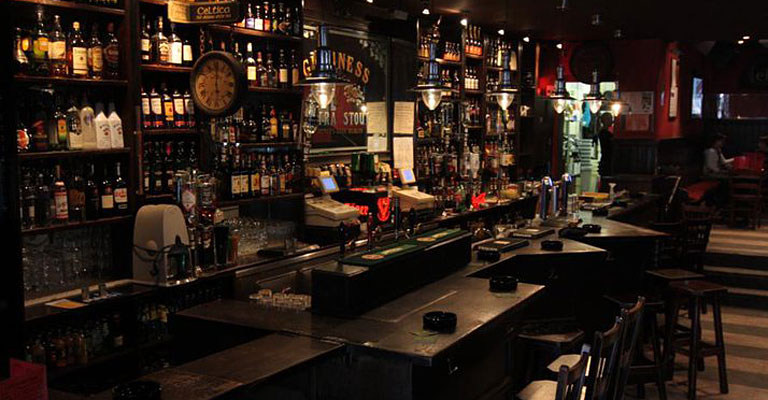
I didn’t start frequenting pubs and bars until I was in my late forties. Since I hadn’t done the whole bar thing in college or afterwards, I always felt strangely self-conscious and more than a little afraid that there was a lot of bar etiquette that I didn’t know and was sure I’d be recognized as an interloper, as someone who didn’t belong. I sort of imagined myself getting tossed out, not for bad behavior, but just because I clearly didn’t know what I was doing.

I started the habit after a very long day of school that ended with “Back to School Night.” Most teachers absolutely dread this forced meeting with parents, sure that someone hostile is going to come in and rake them over the coals in front of all the other parents. I discovered that the solution to this was to keep talking about the class for the entire 10 minutes, never allowing time for questions. I even handed out 3×5 cards to the parents and encouraged them to write down any questions they had for me along with their contact information, which they could leave in the basket provided on their way out the door. I promised that I would get back to them whenever I goddam well felt like it. No, not really. I actually enjoyed most of my interactions with parents. Except the crazy ones.

But that one night the draw of the local Irish-theme pub pulled me in. I met Eddie, an actual Irishman who was expert at putting a newcomer at ease. We talked beer for a bit, he pulled me a pint and since the night was slow, within an hour I felt quite at home and like I’d just made a friend. It wasn’t long before I became a regular and began to discover the perks–familiar faces who always seemed happy to see me, a crowd to gather with for soccer, football and baseball games, free entrance to special events, a place to have a solo dinner out and not feel alone, the occasional drink or two that never got added to my bill because…well, just because.

What I liked most about spending alone time at the bar was the unexpected conversations that would begin on some nights with complete strangers. It didn’t happen all the time, but often there was one or more people there at the bar alone that seemed anxious to have someone, anyone, to talk to. This was especially true of women who, once they figured out that I wasn’t interested in anything but conversation, would sometimes spend the entire evening telling me their story—boyfriends, girlfriends, parents, work, successes, failures—startlingly intimate details that it felt they had been waiting a very long time to tell someone about. I was happy to spend the evening listening and sharing my own story. Most times, I’d leave knowing I’d never see that person again.

I don’t spend as much time anymore at bars alone, just hanging out and passing the time. I miss it a little bit. Not the drinking so much–I still do plenty enough of that at home. I miss the thrill of the chance encounter, the short, but intense connection with another person. It was something that relieved the sense of loneliness that sometimes plagues us all.

Visiting Love: One Letter at a Time

letters

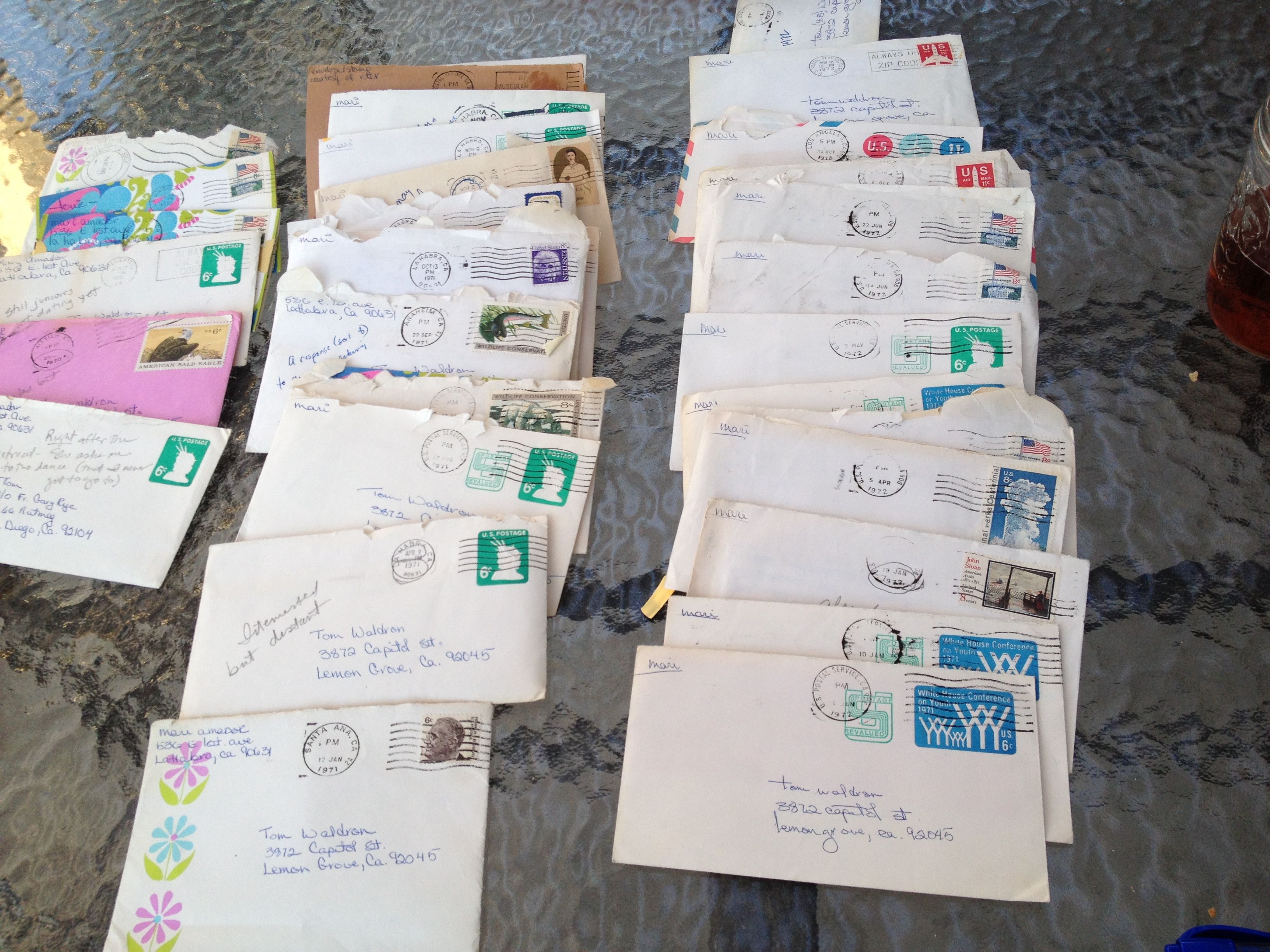
A fraction of the total!

When I delved into a long-forgotten box of cards and letters that my wife and I had written to each other when we were courting from 1970 to 1974, I had no idea what I was getting into. We met as high school juniors but did not begin dating until the fall of the year we graduated. From October of ’71 to May of ’74 when we were married, the letters flew hot and heavy between my home in San Diego and hers in Orange County.

There is a sort of loveliness in re-living a time when all communication was not instantaneous, before texting and talking were considered synonymous. We dated long distance for a little over two years. I began to get serious about the relationship when the price of gas reached 53 cents per gallon.

Once I broke into the box, I thought that I’d read over a couple of letters, laugh at our youthful expressions (Mary used to think that lots of things were “far out!”), eventually feel the wide gulf between our teenaged selves and the adults we had become, and do what Mary had advised all along—“Why don’t you just toss them all?”

But I couldn’t. As I picked up the first few randomly, I felt myself thrust back in time and the immediacy, the honesty, the humor of the letters hooked me. I had decided I would only read her letters to me—those were MY letters. The others belonged to her, and she could do what she wanted with them.

Randomness was not satisfying though. I found myself seeking a narrative, the story and sequence of how we had fallen in love. The earliest letters sported 6-cent stamps, but more importantly they were dated with legible postmarks, so I began to arrange the letters chronologically. All 187 letters.

I started from the very beginning, when we were just friends who had been thrown together by a retreat we had both attended. That friendship continued off and on until October of 1971 when I apparently more openly declared my interest in her because the tenor of the letters changed dramatically. We would frequently write twice weekly, catching each other up on work and school and making plans for every weekend when I would drive up to spend time with her.

The first letter of every week seemed to have a certain glow about it as she would recount the happiness we had enjoyed in our limited hours together. She seemed anxious to make sure I understood everything she had said or done over the weekend and we both (I peeked at a few of the letters I wrote also) were frequently apologizing for any moodiness or distraction we might have exhibited.

She spent a tremendous amount of time telling me how wonderful I was and how much she appreciated me as a man and as a boyfriend. I spent an equal amount of time making sure she knew how lucky I felt that she had chosen me and letting her know how happy I was to be with her. The warmth and affection literally radiated off of the pages

I have yet to finish reading all of the letters and wrap my mind fully around that time of my life. However, what I have read filled me with a sense of renewal, a sense that there was really no reason we could not recapture that liveliness and passion. I felt a little sad that we had stopped writing to each other twice a week. I sense restarting that habit could make a world of difference.

Forty-one years later it would be easy to describe these feelings as naïve, but I don’t feel that way at all. It’s like looking at a slightly yellowed portrait of what love is like before it has endured the bruises and scars that time eventually brings. It is a portrait that I’m happy to have come across. It is a portrait worth cherishing.


Compost Geek

garden3

I’m not sure how to explain my affection for rotting, organic material, but it all started in the spring of 2013. Having been a “yellow thumbed” vegetable gardener most of my adult life, I had a vague interest in composting, but no real working knowledge. When I saw that a non-profit in San Diego was offering a 4 consecutive Saturday workshop on composting and that completing the course would qualify me as a “master composter” I decided to suspend my ban on signing up for anything organized to attend the class.

Each class was 3 hours in length and we quickly learned the basics and then, in groups, began building our “hot piles” of compost, using a variety of materials that we had all gathered in preparation. By the following week, we were learning how to turn, aerate, and water our piles after checking the temperature to see if we had achieved the desired balance of materials. After four weeks, while hardly feeling a master, I felt I had the basic to get started on my own.

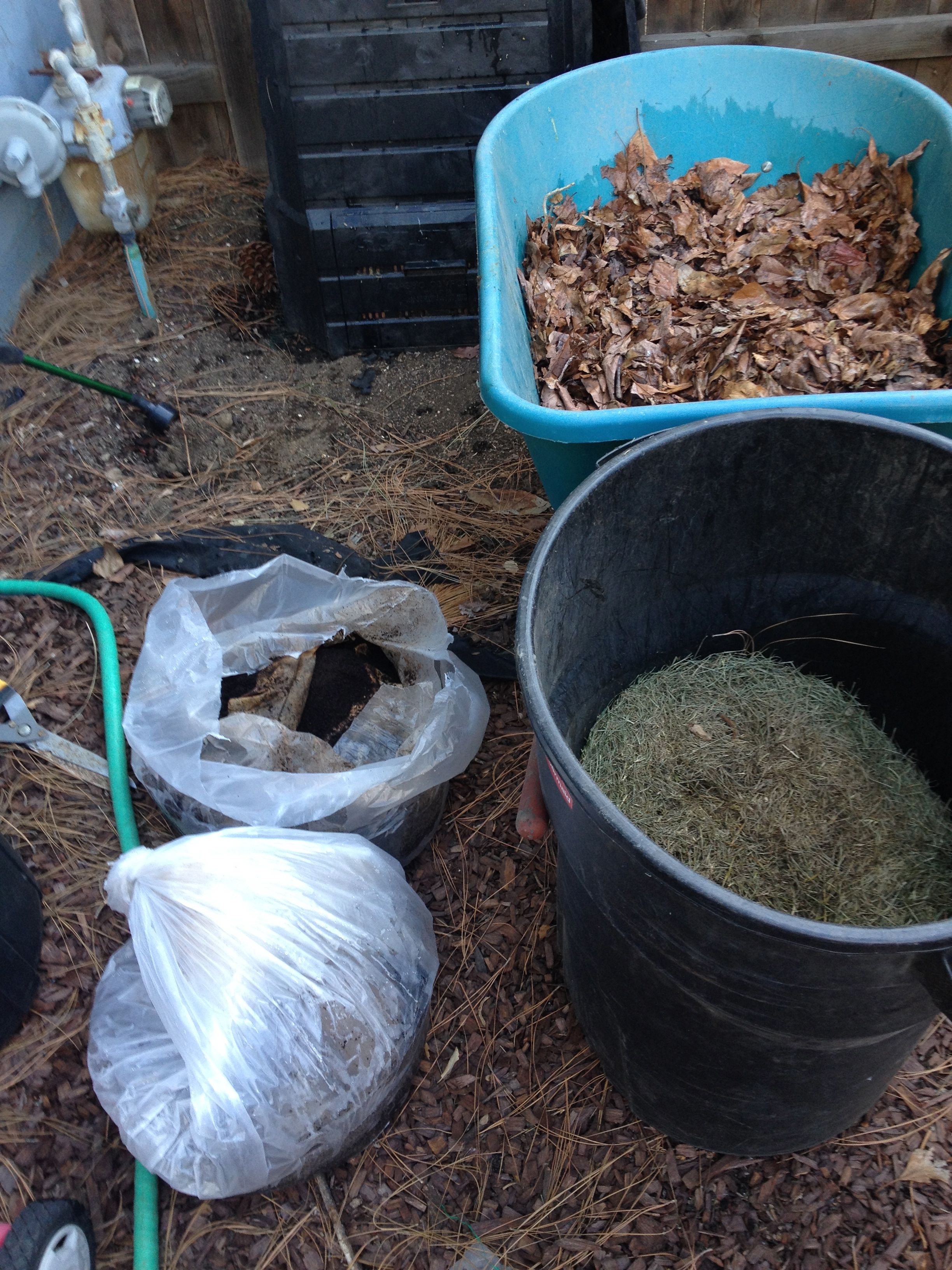
I raided several local Starbucks coffee shops for grounds that they will gratefully give away to gardeners and composters, and began begging, borrowing, and stealing any lawn clippings I could get from the neighbors. Mary and I found a container for the counter where we could begin to collect vegetable food waste and my gardener brought me bags of dried leaves from his clients who had groves of trees.

compostgoodies

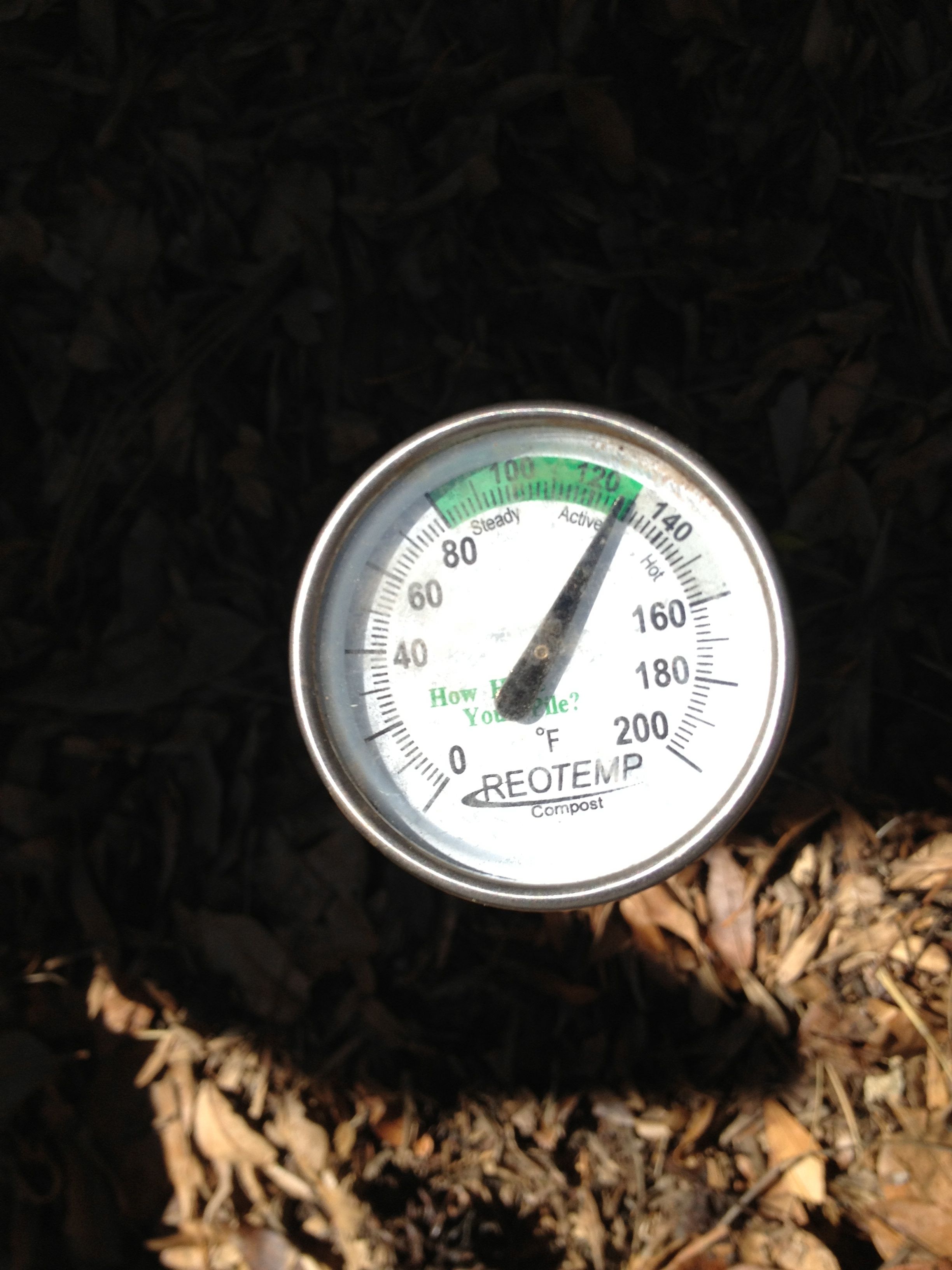
I then assembled my first bin and began to mix the ingredients and in the end, had it filled to the brim. That’s when I began to go a little crazy and continually monitor and make daily reports on how just how hot the core temperature of the pile was to anyone who would listen. It fascinated me that if I just mixed together the right components, in the correct ratios, I could generate temps up to 160 degrees, a point at which they warn you that your pile could spontaneously combust. While I’ve never tried to make this happen, I’m intrigued that it might.

temp

My son tells me that he thinks I show more enthusiasm about composting than anyone he knows, but the weird thing is that any time I start to talk about it in a group, there always seems to be someone with questions, someone who needs help getting started, or someone who has started but needs some help troubleshooting a problem. I’ve helped numerous friends get started with their own bins and had people come out to the house and visit my small composting complex to get tips.

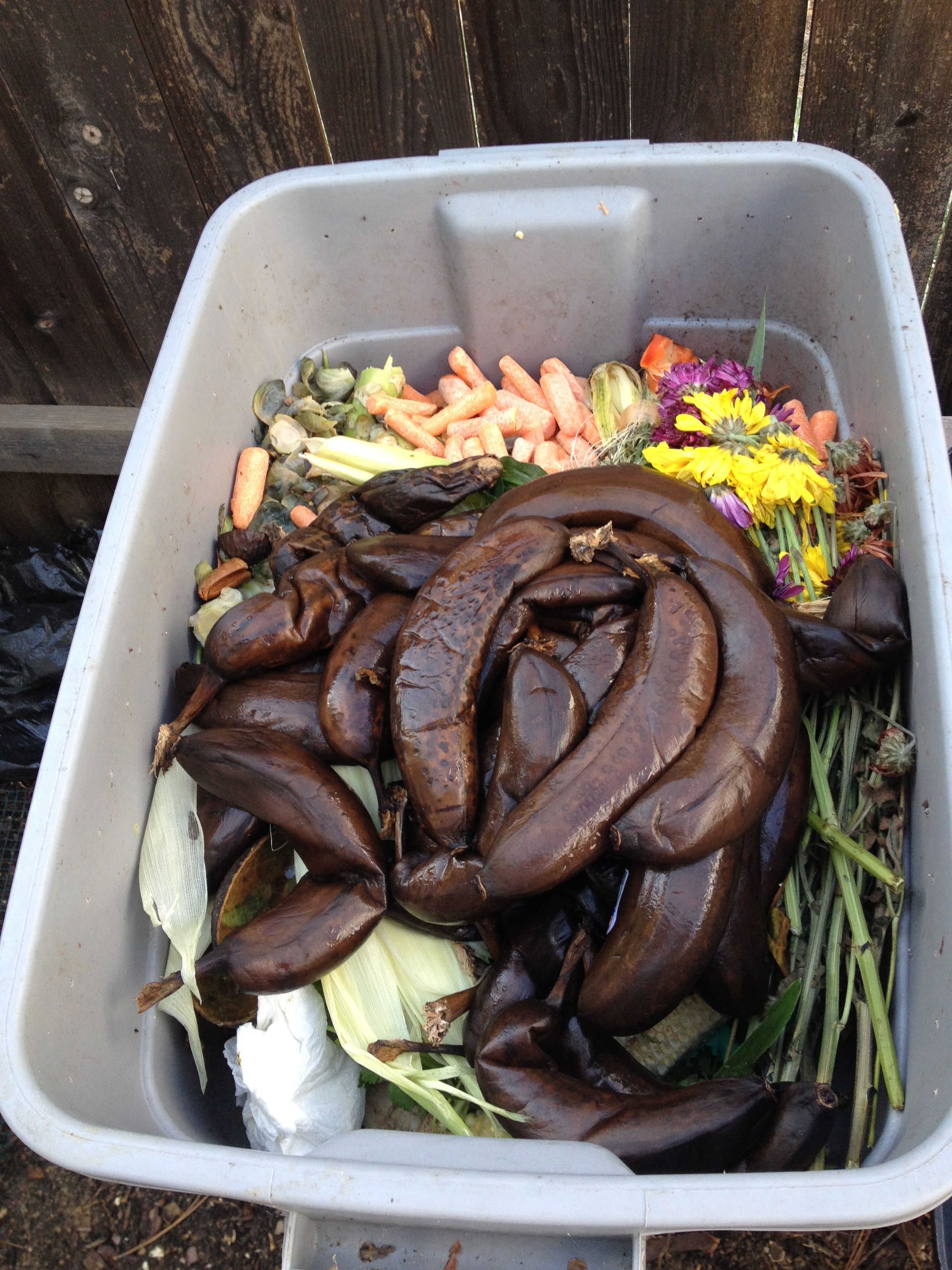
I am amazed at the amount of food waste that my wife and I create in the course of a week. It has changed our behavior entirely. I can’t just throw away a single banana peel or egg shell without feeling totally irresponsible. I can’t even guess at how many pounds of kitchen waste we have diverted from landfills over the past two years and instead turned it into amazingly rich soil amendment.

kitchenwaste

Cleaning out the refrigerator!

I actually started to think about teaming up with the local Starbucks and the nearby Subway restaurant to begin regularly composting all of the perfectly compostable, but currently wasted food product that they throw out every day. However, I was daunted by the endless nature of such a partnership. I would need a team of people to keep up with the volume of compostable product and set up a network to distribute all of the wonderful soil amendment that it would produce. I pretty quickly decided that my sustainability project would be unsustainable.

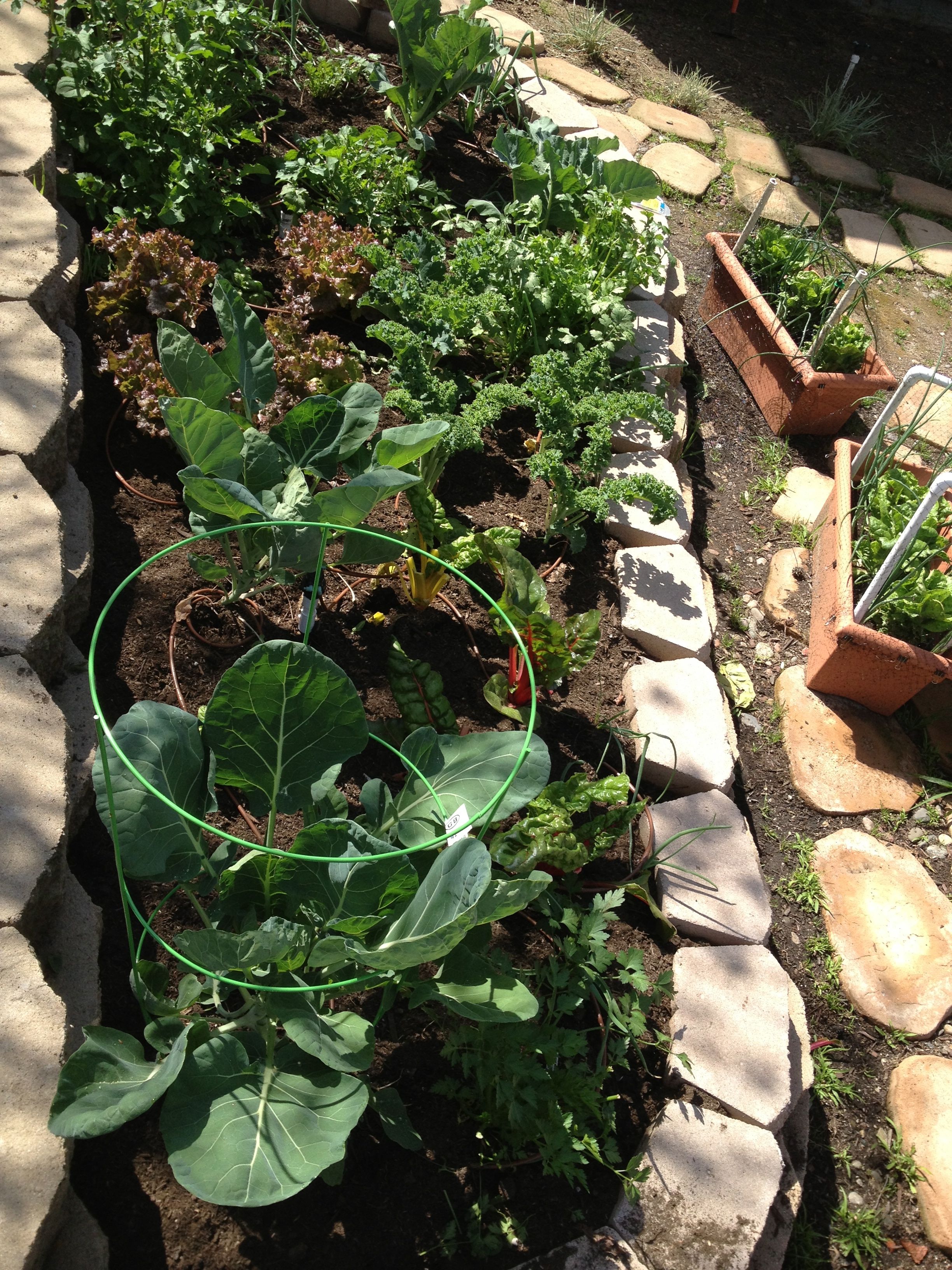
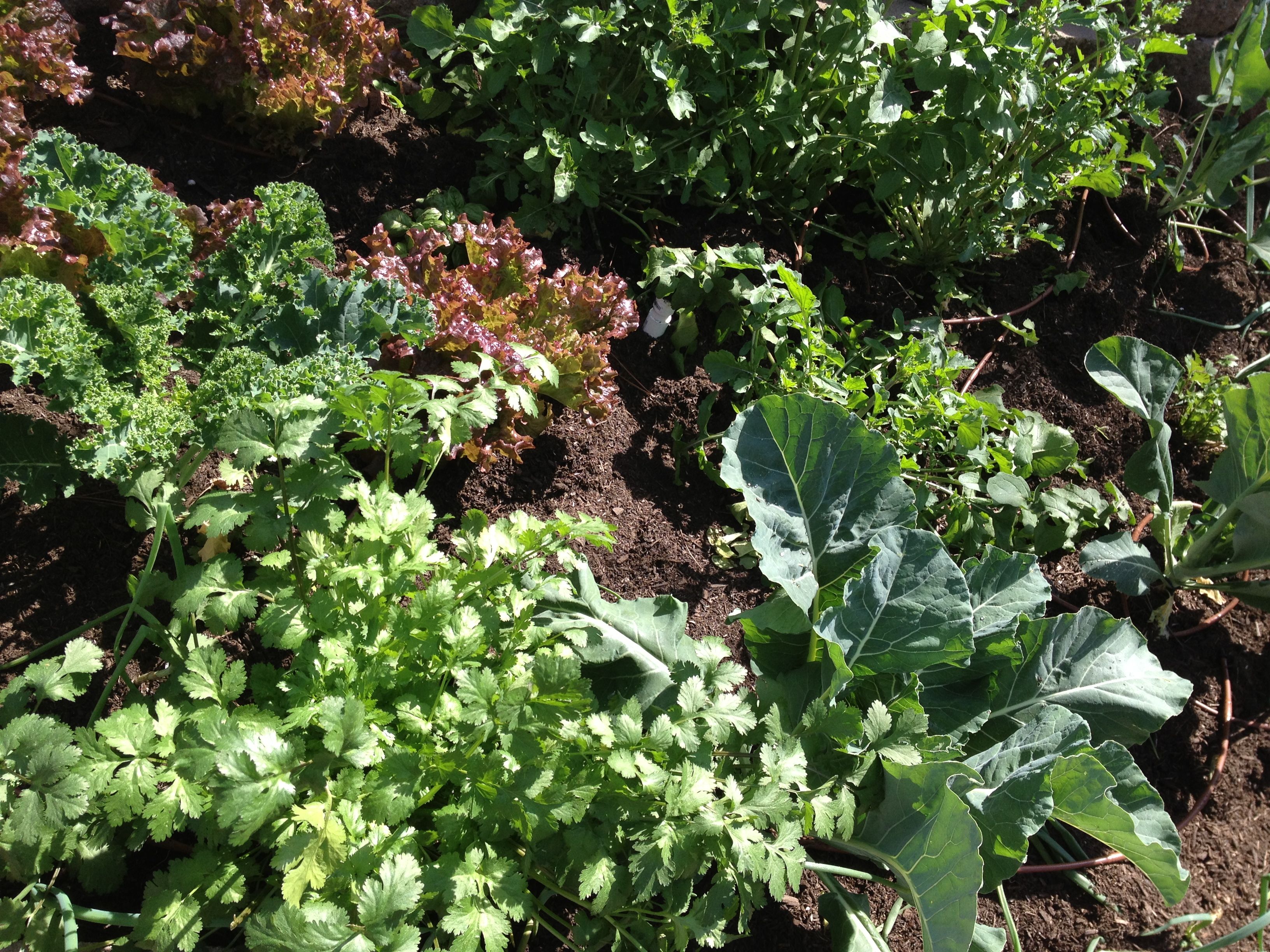
So, for now, I will simply tend my own garden.

garden 2


Can’t Make This Stuff Up

It happened 30 some years ago and it was the most romantic thing I had ever seen or would ever see again. There are times we get to be witnesses to something extraordinary happening in the lives of others without knowing anything that came before and no idea what their next chapter might be. This was one of those times.

I was standing in the outside waiting area of the Amtrak train station in San Diego, trying to look sad that my wife and young son were just minutes away from leaving me behind for a visit to her parents that I somehow had weaseled out of. It was Friday evening and my head was full of just what kind of trouble I might be able to get into in the 40 hours of unsupervised time that stretched before me.

I was growing impatient when it became clear that departure was imminent as the assistant conductors began removing stepping stools and generally looking like they were ready to go.

But out of the corner of my eye, I caught a flurry of motion that turned out to be a young man in a full-on sprint nearing the south end of the north-bound train. The guy had no luggage and no apparent ticket but seemed fully intent on catching this train before it left. He leapt onto the steps of the car in front of me and engaged in an animated conversation with the attendant there who looked like he was trying to insist that the guy get off the train, that they were just about ready to go. The young man pleaded, “Just give me two minutes, man. Please!” The attendant tried to say no once again, but the guy was so passionate and so sincere that finally he waved him on to the train where he disappeared from might sight.

Suddenly, all of us waiting for the train to leave had become a collective audience in a moment of street theater. We exchanged “did-you-just-see-that?” glances and felt the delicious suspense building, knowing that some kind of dramatic action was taking place inside the train, off-stage, where we could not see. The assistant who had let the young man on was trying to placate the conductor for the delay with a series of hand gestures that seemed to indicated his helplessness in the situation, that seemed to say, “What was I supposed to do?”

True to his word, the young man reappeared shortly, this time with his hands full. While on the train, he had swept up a lovely young woman wearing a long white dress whose arms were now encircling his neck as he prepared to sweep her off the train. Their faces literally beamed with joy, and the guy stopped at the top of the steps to tell the attendant, “I really owe you one!” The attendant dutifully waved them off the train but smiled along with them. I don’t think the audience that I was a part of gave them a round of applause, but all of us were likewise united in the couple’s happiness as the young man refused to put her down and carried her off to….well, to wherever.

If I had written this as the end of a piece of fiction, it could rightfully be criticized as “hopelessly romantic,” “cheesy,” and/or “totally unrealistic.” But it happened—Just. Like. That.


Life After Work

firstdayretirementpic

First official morning of retirement

Make no mistake about it. When the time came, I was ready to retire. On my final day, as retirees were asked to address the staff at a little farewell party, I got up to face my colleagues for the last time, some of whom I had worked with for all 36 years of my career, all at the same school. I was surprised to see all the emotion and the tears, maybe just as someone who prefers to keep emotions locked up as tightly as possible because I find emotions to be unpredictable and unruly things.

But in this case, I was feeling nothing but joy. I had had a great time as a teacher. I loved the work and I loved my kids. I had a shelf full enough of recognitions that I knew that students, parents, and my colleagues had noticed and appreciated my contributions. But I had been in school continuously for 54 years without a break! I had gone straight from high school, to college, and then into my career. I was anxious to live an unscheduled life for the first time since before kindergarten.

There had been signs that it was time to go. At some point students would see me coming and stop to open the door for me, as if maybe I was wearing a handicapped placard around my neck. Increasing numbers of kids began referring to me as “sir” instead of “Hey Waldron!” It even began to affect new staff members who could not break the habit of calling me “Mr. Waldron” instead of by my first name as any colleague normally would.

And I was tired. I was weary at the end of every day and often retreated home and napped for what was left of the afternoon. I was like a veteran pitcher who could still gut his way through every outing, relying on guile and experience, knowing that the fastball was gone, that the slider wasn’t sliding, and the curveball just wasn’t breaking the way it used to anymore.

So, even after nearly three years, I’m still flummoxed by people asking me if I’m enjoying retirement or if I miss teaching. The answer to the latter is a firm “no!” As much as I loved my kids and the experience of the classroom, teaching is a brain and soul-sucking experience that can be all consuming. My stock answer about the former is to say, “Yes, I’ve discovered that not working is much better than working.”

gardenpicdavewrigleypiccasting

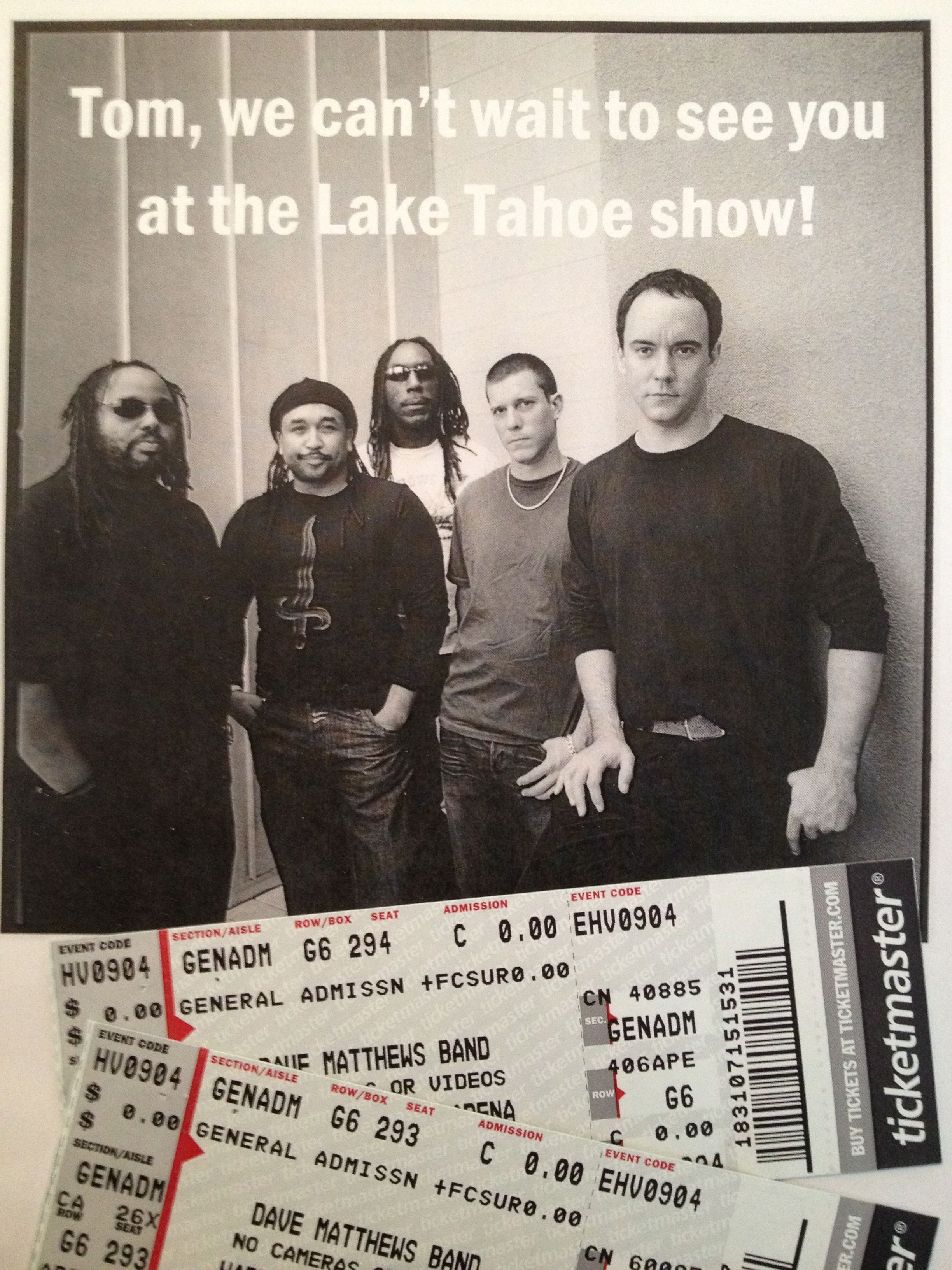
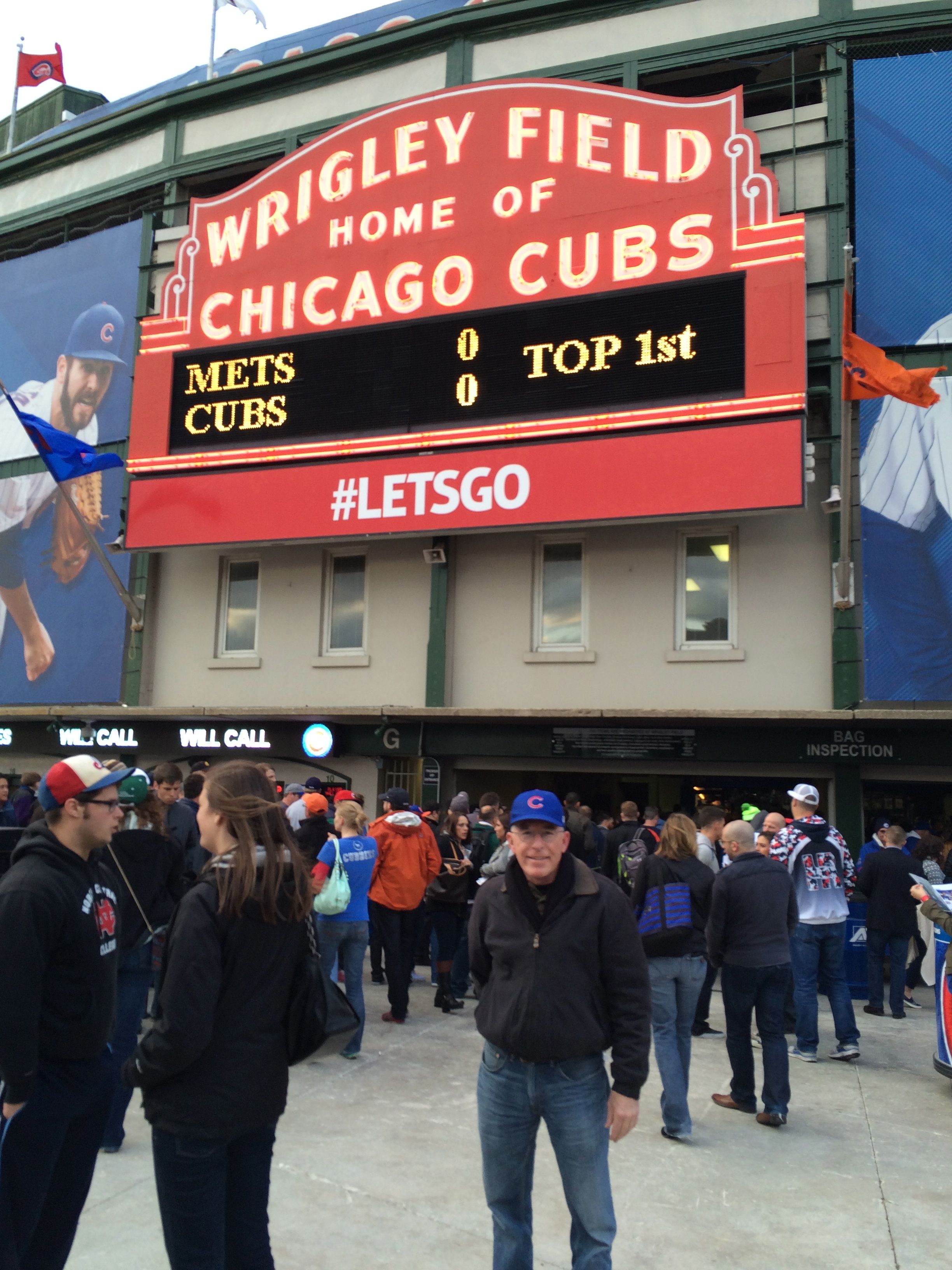
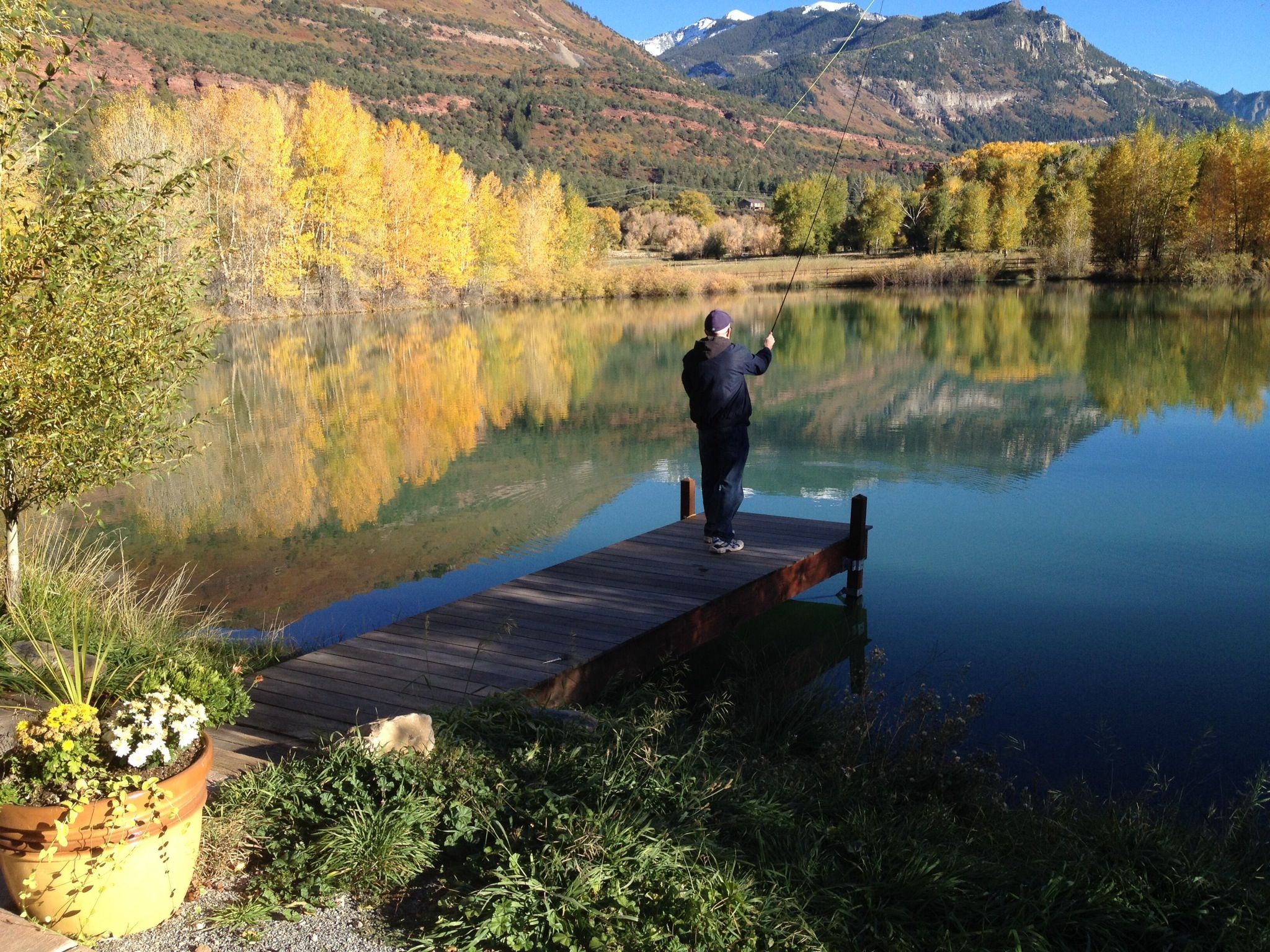
I now have a vegetable garden going year round and have qualified as a master composter (I don’t actually brag about that much). I have taken yoga, guitar, and hiking classes. I have been able visit my sister in Maui four times, and jet to Chicago twice primarily to sit at the baseball shrine that is Wrigley Field and watch the Cubs play. I have flown to Lake Tahoe for one night to see the Dave Matthews Band perform. I drove one thousand miles to visit two friends I hadn’t seen in years and learned the finer points of fly casting on a Colorado lake.  I finally took time to visit Washington, DC. I traveled to Oakland for one concert and to Phoenix for another. I spend a week in Phoenix every spring driving all over town daily to watch my Padres play their spring training games. I walk. I write.

I guess I’m just lucky that the transition has been relatively easy for me. Any time I feel like it’s been a slow day, that I’m feeling a little bored, I just remember the stacks of ungraded papers that used to fill every waking moment of my day from September to June.

I feel sorry for people who are still working and when I ask about their own retirement, they shrug and say, “I just don’t know what I would do.”

Believe me. There is life after work.

DAY 5 (see note) A Parent To My Parent

Note: I’m starting this only because a friend that I like and respect very much invited me to be part of the club. And also because as a blogger, I’ve discovered a creative kick in the pants can be very helpful at times. Also, I am going to call this DAY 5, even though it is my first contribution, just so I don’t feel hopelessly behind for the next month.

Just like there was no manual for living my through my 30’s and raising small children, I have longed at times for the manual that would guide me through the difficulties of being a parent to my parents.

My mom is now 92, has dementia, can barely converse with me or anyone else, is incontinent, is hard of hearing, and requires nearly constant supervision. She also has a fragile immune system and just this Sunday it was compromised by something, probably an infection of her lungs. As the only child living in the vicinity, I’ve been on call for 4 years now and once I arrived at her board and care home on Sunday, I could see her labored breathing was going to land us in the emergency room.

I’m not sure if it is worse to be attending someone in the emergency room or to be the actual sick person. Mom was agitated for the two hours we waited to get into a room, which meant she would rock back and forth and jabber incoherently and loudly at times while I would try to calm her and get her to stop.

I’m far beyond being embarrassed by this behavior or worried about the reaction of others. They can move if they don’t like it. Hell, I don’t like it, but not liking it isn’t going to change anything. And here’s where I struggle. To all those waiting sick folk, I appeared to be a patient, attentive, loving son. I comfort her and make silly jokes and do anything to break the cycle of moaning and tension that seems to seize her like a wave that will slowly, and only temporarily, recede. I’m sure they look at me and think, “He’s a good son.”

But I’m not. I hate all of this. I hate the constant, seemingly useless visits I make to her every day, the disturbing emergencies, and even the routine doctor’s visit that usually results in a three-hour commitment. I know that none of my efforts or the doctor’s efforts will improve the quality of her life. Every time I leave her I feel sad and depressed. I’m long past the point where I can tell if I’m sad for her or for me. That’s why I feel like a fraud. I told my wife once that everything I was doing was actually “remorse insurance” for myself—a desire that when she passes I could honestly feel that I had done everything possible to make her last years, if not joyful, at least comfortable.

It seems to me that the true good sons out there have hearts that are much more full of love than mine is. My maddeningly detailed, obsessive, neat freak of a mother left long ago, and I’m now caring for what is left. I desperately want it to be over. I hate myself for saying it, but there it is.

“Dude, I Said I Was Sorry!”

IMG_1119

I’m a very careful driver. I almost never run over bicyclists. I give them wide berth even when they are doing something obnoxious like riding two abreast on a street with no bike lane, or wearing those garish neon, spandex outfits, or walking around the coffee shop in those ballet slippers they wear.

So you can imagine my confusion, when I was confronted by an angry—no—apoplectic, spandex-clad, black-helmeted, bicycle rider after having just pulled into the parking lot of a popular regional park that was the meeting site for my weekly hiking class.

“Hiking class” is one of those things that as a retired person, I can sign up for and attend because I have time. The teacher draws up a list of hikes for the quarter, emails us notes and directions the night before, and then at 8:30 every Wednesday morning we hearty retirees meet up to trek about the local hills and valleys.

“YOU IDIOT! YOU CUT ME OFF DOWN THERE AND NEARLY HIT ME!” the irate man screamed at me.

I stared at him dumbly for a moment as I started to pull my gear from the back of my car. I hadn’t even seen him.

“I didn’t even see you,” I told him.

“I KNOW YOU DIDN’T SEE ME, YOU ASSHOLE! WHAT’S THE MATTER WITH YOU?”

Actually nothing was the matter with me except that this large man was screaming at me, and I was puzzled how I could have nearly hit someone in a wide- open area, someone that I had not even sighted. I decided repetition and an apology might work.

“I’m sorry. I-Never-Saw-You.” I said the last part more loudly and more slowly, as if he perhaps had not heard me the first time.

“I HEARD YOU THE FIRST TIME!” he yelled. “YOU ALMOST RAN ME OFF THE ROAD DOWN THERE. BEING SORRY DOESN’T HELP THAT.

He had a point. But since I HADN’T hit him, and he HADN’T fallen, and I HADN’T damaged him or his bike in any way, I was stymied about what to say. By now I had withdrawn my walking stick that weighs all of about 8 ounces because I was starting to think I might need to whack him with it if he became violent. I’m a lover, not a fighter, but angry people are unpredictable, and I can get flustered easily when confronted by one.

However, he seemed content to sit on his bike and continue to berate me some more at which point I apologized a third time, although I was finding it harder and harder to be sincere since I had no idea what I was apologizing for.

Finally, he grew tired of yelling and turned to ride off, screaming a few more insults at me as he left, and I strapped on my hiking gear and set off on the trail enjoying a rare cool morning, but I found myself going back over the incident in my mind and wondering if I could have handled it differently.

How could I truly apologize for something that I wasn’t even sure I had done? Maybe he was just an angry guy, hiding in the bushes, waiting to ride out and scream at someone. A guy who felt persecuted and needed someone to take his rage out on. Maybe it was a hobby for him, confronting and making people uncomfortable, and then riding off gleefully knowing he just might have ruined someone’s day.

But what I most pondered, as I enjoyed the hike that wandered down along the San Diego River and then back up to the visitor center, was what does one do when an apology simply is not enough?

I don’t have an answer for that one.