Watching Icebergs Go By

iceberg--1

Day 12

One of our writing buddies, Niki, recently wrote in a comment that she “often felt like an iceberg—most of myself staying hidden from view.” I was struck by this, not because it parallels my own loneliness issues, but because it reminded me of how I felt as a high school teacher as, day after day, I looked out over my ocean of students.

I got into teaching high school primarily because I wanted to be a caring presence in the lives of teens knowing that it was a tumultuous time of life and that, at least occasionally, I might be able to be of some help.

Over 36 years, I was confronted with almost every kind of crisis—the loss of a loved one, an abusive home, a young man preparing to come out to his friends, a student discovering that her life was about to be repossessed by financial reversals about which she had known nothing.

Every one of these encounters made me acutely aware of how many other of my students must be out there, icebergs who floated by me daily, taking my quizzes, turning in papers, joking with friends, but suffering in silence.

Coincidentally, as the end of the year approached, all of my 12th graders knew that they were expected to deliver a 3-minute speech to their peers as part of a culminating activity. They had several options for a topic, but most of them chose to reflect on a personal observation, and sometimes those speeches were incredibly revealing, leading me to wonder if this activity was badly timed, since I often learned critical information about them during the last two days of school, information that would have made me a better teacher to them had I known it all semester.

I’ll write more about the speeches later, but one quiet student’s speech has always haunted me. He delivered it on the very last period of the very last day of school. He had struggled all year to maintain a passing grade. It was killing me because whenever he turned in an assignment, especially any writing assignment, it was clear that he was beyond capable. I’d pull him aside and show him how little he had to do to bring up his grade to a safe level so that graduation would be guaranteed. I regularly warned, pleaded, and cajoled him to put out just a little more effort.

In the end, it came down to his speech. If he got up and did it, he’d graduate. If not, he’d fail. When his turn came, he took his place at the podium and began. It might have been the first time he had actually had spoken up in a class activity.

Once he began to describe the year he and his father had spent coping with his mother’s terminal illness, the class lapsed into an unnatural silence. I no longer remember the particular illness, but the symptoms and complications sounded very similar to ALS or multiple sclerosis—something that was slow, degenerative, and ultimately, deadly.

And then, with great composure, he told us that this particular disease was genetic and that he had a 50% chance of having inherited it. He told us there was a test that would tell him definitively if he had the disease, if he had the condition that would ultimately lead to the painful deterioration that he had spent the past year watching in his mother. He told us that he had been struggling all year with the decision of whether to have the test or not. He told us that he had not yet made up his mind, and then he sat down.

He passed the class.

Somehow I got through the rest of the period, wished them all well, and sent them on their way to graduation and beyond.

Then I sat down and thought, “Well, fuck me.” How much more supportive a force could I have been for this kid if I had had any idea what he was going through? Of course, little assignments in Senior English seemed meaningless to him. Of course, he was getting by on minimum effort. Why in the world did he decide to tell us all on the last day of school?

I don’t have a savior complex. Even if I had known, I know I couldn’t have made his year that much easier. He was just one more iceberg that got past me.

Just A Few Things I Don’t Understand About Women

Day 11

First, let me say that I love women. Love them. Could not live without the lovely friend and partner who has been my wife over the past 41 years or any of the women I’m lucky enough to have as friends. And this writing group seems to be populated by so many brilliant and thoughtful women. It has been a pleasure to get to meet you all. In fact, the fact that I get confused by the behavior of women is probably entirely my fault.

Have I put in enough disclaimers that I can broach this subject now?

Gift giving. I have always thought that on any occasion it was best to give your friend or partner something that you know that she wants.   So, early in our marriage, when I the electric wok that I purchased for my wife as an anniversary present was met with less than enthusiasm, I was confounded. I knew it was something she wanted. She had said so repeatedly. To explain her disappointment she actually sat me down and told me, slowly and using small words, that kitchenware of any kind was just not an appropriate gift for special, personal occasions. Honest to God, I had no idea. Where was the manual for gift-giving procedures?

Christmas gift giving seems to be more easy-going. Three months, three full months, before a recent Christmas, my wife saw a hanging lamp in a favorite boutique shop that she declared to be the perfect replacement for a dated chandelier-type lamp that had hung in our dining room for years and years. However, she declined to buy it at the time, and I swooped in like a shark. The very next week, I went back on my own, bought the lamp and put it away. On Christmas day, I saved it for after she had opened the more personal gifts (having learned my lesson from the wok debacle), and she seemed truly surprised and delighted as she unwrapped it and opened it up. Hah! I knew it! Perfect gift, perfect surprise! Then she made maybe the most contradictory statement I have ever heard any woman say, “Gosh, honey, this is great, but just because I say I want something doesn’t mean you have to rush out and buy it for me.” WHAT!!?? I thought it was EXACTLY what we were supposed to do. I thought it was exactly what the attentive and thoughtful spouse would be expected to do after 40 years of careful observation. Hmmmm.

Those three little words. Every partner cares about three little words. However, I suspect that the exact words may be gender specific. For me, there is nothing more heart-warming, nothing more life-affirming than hearing my wife whisper in my ear, “you were right.” On the two or three occasions per year that this happens, I usually feign deafness so I can have her repeat it once again, just to extend the satisfaction of the moment.

The expectation of the power of mind reading. As a high school English teacher I worked primarily with female colleagues and individually, I could hold my own with them. But once they assembled in a friendly group, they would all begin talking at once with lots of gesturing, head-nodding, eye-rolling. I would watch them smiling, frowning, smirking all in quick succession all leading to a lull and a sense on my part that something had been decided. Finally, as the token male I would be asked, “What do you think about it, Tom?”

“About what?” I’d ask.

Ah, thank goodness I get to stop at 500 (actually 600) words. I suspect I am in enough trouble already.


Flirting With Insignificance

Day 10

Once I started teaching seniors, I looked forward every year to the day I would begin to introduce them to the concept of existentialism. I felt I had to go all Albert Camus on them because The Stranger was one of the central lit pieces that I taught.

I relished immersing them in the basic tenets of this philosophy, essentially alien to all of them, and for one or two days in a row I played devil’s advocate to every question, objection, personal experience, religious belief that they could challenge me with. For two days I would crush their spirits into the belief that they were living insignificant lives in an absurd and meaningless universe, continually verging on the edge of the abyss of despair and alienation.

Of course, then I would have to spend the next three weeks reassuring them that existentialism was simply one of many world views and not one that I was promoting. To avoid parent phone calls, I had to swear to them that I wasn’t anti-religion, that it was fine with me if they believed in God and the afterlife, and that, of course, they were leading meaningful lives.

But, for some of them, this one lesson was an earthquake. The fact that anyone could believe in such a philosophy, that it was a well-developed, much discussed pillar of post-modern society, that I could fill up a 40-minute power point with its principles was a shock to some 17-year-olds who had never considered a point of view that varied from what all of their families and friends had at least pretended that they believed in.

One student refused to speak to me for the rest of the year.

Part of the lecture was to discuss why existential thought considers an individual’s life to be meaningless. To illustrate this I had them think about how our 70 or 80 or 90 years on this planet compared to the eons that came before us and the millions or maybe billions of years that would follow our short lives. I asked them to add that to the fact that we are on a small planet, in a small galaxy, in the midst of an enormous universe, the size of which is, for me, incomprehensible.

So given all that, just how important was any single action, thought, or decision that any one of us might make? It usually got really quiet after that.

It took me a while to explain why I found this aspect of existentialism to be particularly freeing and not depressing. As someone who constantly second guesses himself and agonizes over sometimes trivial decisions, it helps me to be reminded that the world doesn’t turn on my decision on when it’s appropriate to buy a new vacuum cleaner or get the garden weeded.

It’s where I’d try to lead them to eventually—that meaning comes from within. That an existential point of view empowers them to wipe the slate clean and take responsibility for looking at their actions and decisions and figuring out for themselves what ultimately a meaningful life looks like.

Note: Most of them still liked me by the end of the year.


Can’t Make This Stuff Up

It happened 30 some years ago and it was the most romantic thing I had ever seen or would ever see again. There are times we get to be witnesses to something extraordinary happening in the lives of others without knowing anything that came before and no idea what their next chapter might be. This was one of those times.

I was standing in the outside waiting area of the Amtrak train station in San Diego, trying to look sad that my wife and young son were just minutes away from leaving me behind for a visit to her parents that I somehow had weaseled out of. It was Friday evening and my head was full of just what kind of trouble I might be able to get into in the 40 hours of unsupervised time that stretched before me.

I was growing impatient when it became clear that departure was imminent as the assistant conductors began removing stepping stools and generally looking like they were ready to go.

But out of the corner of my eye, I caught a flurry of motion that turned out to be a young man in a full-on sprint nearing the south end of the north-bound train. The guy had no luggage and no apparent ticket but seemed fully intent on catching this train before it left. He leapt onto the steps of the car in front of me and engaged in an animated conversation with the attendant there who looked like he was trying to insist that the guy get off the train, that they were just about ready to go. The young man pleaded, “Just give me two minutes, man. Please!” The attendant tried to say no once again, but the guy was so passionate and so sincere that finally he waved him on to the train where he disappeared from might sight.

Suddenly, all of us waiting for the train to leave had become a collective audience in a moment of street theater. We exchanged “did-you-just-see-that?” glances and felt the delicious suspense building, knowing that some kind of dramatic action was taking place inside the train, off-stage, where we could not see. The assistant who had let the young man on was trying to placate the conductor for the delay with a series of hand gestures that seemed to indicated his helplessness in the situation, that seemed to say, “What was I supposed to do?”

True to his word, the young man reappeared shortly, this time with his hands full. While on the train, he had swept up a lovely young woman wearing a long white dress whose arms were now encircling his neck as he prepared to sweep her off the train. Their faces literally beamed with joy, and the guy stopped at the top of the steps to tell the attendant, “I really owe you one!” The attendant dutifully waved them off the train but smiled along with them. I don’t think the audience that I was a part of gave them a round of applause, but all of us were likewise united in the couple’s happiness as the young man refused to put her down and carried her off to….well, to wherever.

If I had written this as the end of a piece of fiction, it could rightfully be criticized as “hopelessly romantic,” “cheesy,” and/or “totally unrealistic.” But it happened—Just. Like. That.


Life After Work

firstdayretirementpic

First official morning of retirement

Make no mistake about it. When the time came, I was ready to retire. On my final day, as retirees were asked to address the staff at a little farewell party, I got up to face my colleagues for the last time, some of whom I had worked with for all 36 years of my career, all at the same school. I was surprised to see all the emotion and the tears, maybe just as someone who prefers to keep emotions locked up as tightly as possible because I find emotions to be unpredictable and unruly things.

But in this case, I was feeling nothing but joy. I had had a great time as a teacher. I loved the work and I loved my kids. I had a shelf full enough of recognitions that I knew that students, parents, and my colleagues had noticed and appreciated my contributions. But I had been in school continuously for 54 years without a break! I had gone straight from high school, to college, and then into my career. I was anxious to live an unscheduled life for the first time since before kindergarten.

There had been signs that it was time to go. At some point students would see me coming and stop to open the door for me, as if maybe I was wearing a handicapped placard around my neck. Increasing numbers of kids began referring to me as “sir” instead of “Hey Waldron!” It even began to affect new staff members who could not break the habit of calling me “Mr. Waldron” instead of by my first name as any colleague normally would.

And I was tired. I was weary at the end of every day and often retreated home and napped for what was left of the afternoon. I was like a veteran pitcher who could still gut his way through every outing, relying on guile and experience, knowing that the fastball was gone, that the slider wasn’t sliding, and the curveball just wasn’t breaking the way it used to anymore.

So, even after nearly three years, I’m still flummoxed by people asking me if I’m enjoying retirement or if I miss teaching. The answer to the latter is a firm “no!” As much as I loved my kids and the experience of the classroom, teaching is a brain and soul-sucking experience that can be all consuming. My stock answer about the former is to say, “Yes, I’ve discovered that not working is much better than working.”

gardenpicdavewrigleypiccasting

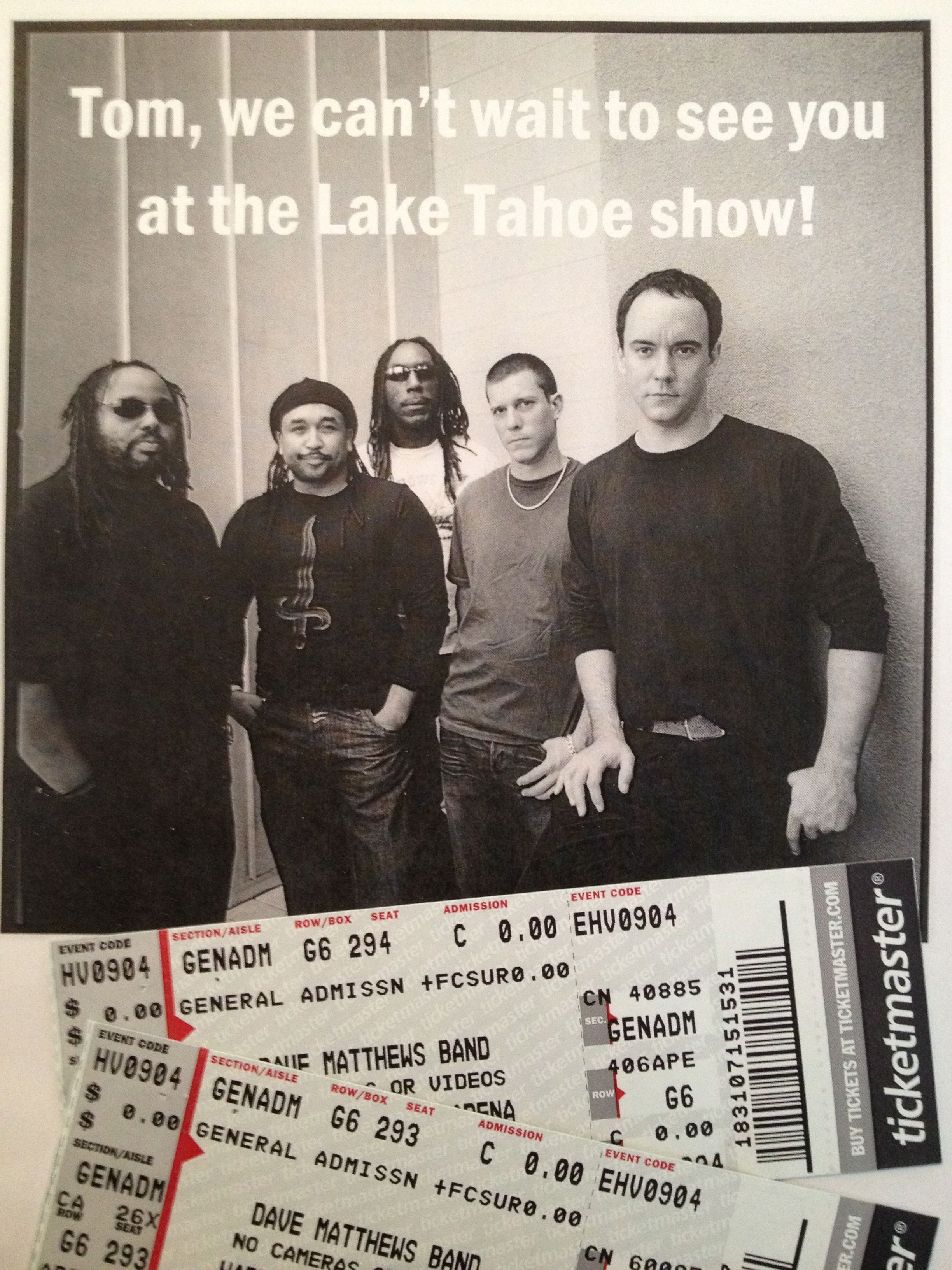
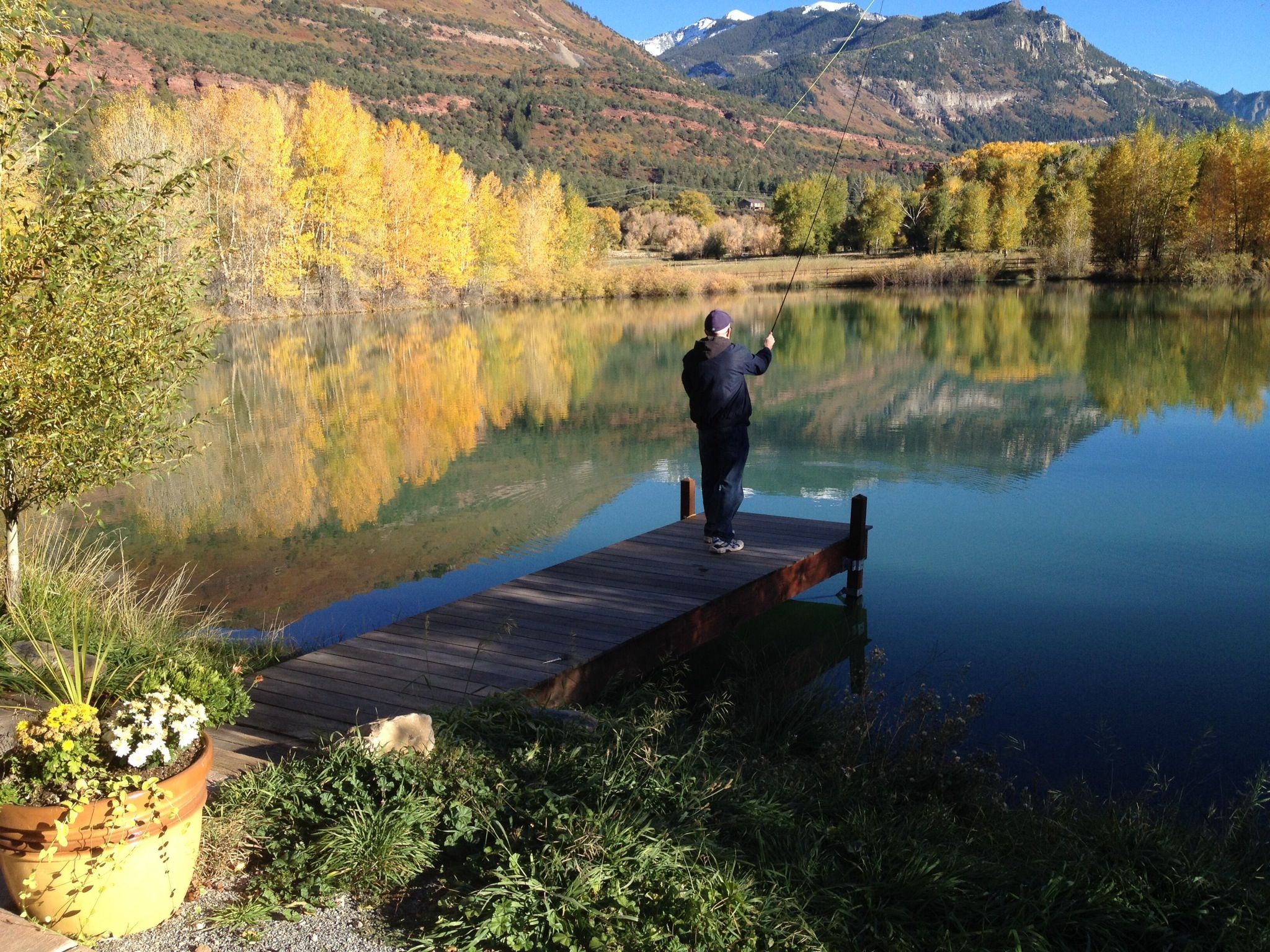
I now have a vegetable garden going year round and have qualified as a master composter (I don’t actually brag about that much). I have taken yoga, guitar, and hiking classes. I have been able visit my sister in Maui four times, and jet to Chicago twice primarily to sit at the baseball shrine that is Wrigley Field and watch the Cubs play. I have flown to Lake Tahoe for one night to see the Dave Matthews Band perform. I drove one thousand miles to visit two friends I hadn’t seen in years and learned the finer points of fly casting on a Colorado lake.  I finally took time to visit Washington, DC. I traveled to Oakland for one concert and to Phoenix for another. I spend a week in Phoenix every spring driving all over town daily to watch my Padres play their spring training games. I walk. I write.

I guess I’m just lucky that the transition has been relatively easy for me. Any time I feel like it’s been a slow day, that I’m feeling a little bored, I just remember the stacks of ungraded papers that used to fill every waking moment of my day from September to June.

I feel sorry for people who are still working and when I ask about their own retirement, they shrug and say, “I just don’t know what I would do.”

Believe me. There is life after work.

“Clear Eyes, Full Heart, Can’t Lose”

Friday_Night_Lights_title_card

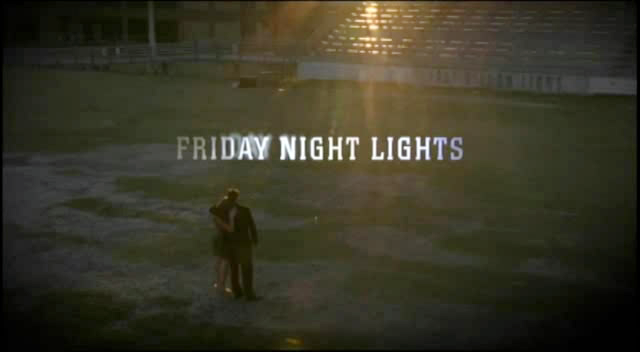
If those words don’t give you a chill or a jolt of adrenaline then somehow you missed out on the five seasons of the “teen drama”, Friday Night Lights, a television show that recreated the experience of living in the small, Texas town of Dillon, a town that lives and dies with the fortunes of its football team, the Dillon Panthers.

If you never watched the show, this piece may not make much sense, and I suggest you call in sick, stock up on supplies, and get ready to binge watch all five seasons immediately.

I was first offended a little when I noticed that Netflix had relegated FNL to the category of “teen drama.” I don’t watch teen dramas, I thought. Why do I like this show so much? Then it occurred to me that I had spent my entire life watching teen dramas as I stood in front of a high school classroom for 36 years. Secretly, as I watched them all unfold, I had a longing to go back and enjoy that teenaged life again.

So this weekend as I finished watching the entire series for the second time, I started to imagine who I’d want to be if I could somehow insert my teenaged self into this fictional narrative. It would be great to be Matt or Luke or Vince, all of whom reach stardom at some point. But no, these are all good boys. I’ve already done the good-boy thing. I would have only one choice, hands down—Tim Riggins.

tim-riggins-friday-night-lights-561364_1125_1500ed

Me.

I like Tim because he keeps it simple. He wants to suit up every week, play hard, hit people, drink beer, and allow a seemingly endless string of pretty girls to pursue him. He’s a laconic, hunky, bad boy with a heart of gold. For all his lack of social graces, Tim is quietly one of the most compassionate characters on the show—you almost don’t notice this about him at first because he always seems to be apologizing for having done something wrong. But in the end, Tim just wants his girl, a patch of land, a beer, and a Texas sunset. Nothing wrong with that (except actually being in Texas).

My teenaged self would have to find a girl and FNL manages to parade an array of beautiful young women through the show without it ever looking like a van full of young Victoria Secret models has descended on tiny Dillon. So there are lots of choices here; it’s no simple Ginger/Maryanne dichotomy. Julie? Too sulky and whiney. Lyla? Too bipolar. Becky or Jess? Maybe when they grow up a little. No, my teenaged self would have been entirely and hopelessly in love with Tyra Collette (Adrianne Palicki).


tyra

My girl.

Tyra grows from a fluffy beauty to a strong, thoughtful young woman as the show progresses. Don’t get me wrong, she also gets even more beautiful, but she veers away from spending her life working at Applebees to being a college girl with a strong sense of her future. I especially love her (and the writers) for including a sweet, but short-lived romance with likeable nerd Landry Clarke (Jesse Plemons), my actual alter-ego.

Erictaylor


Everyone’s favorite coach.

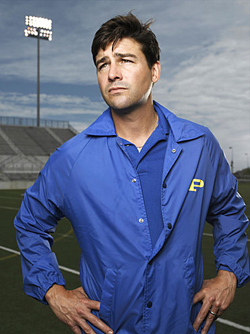
As a teenager in Dillon, I know I would need emotional support. I’d need strong guidance and a kind but firm presence in my life. For that I’d have to look to Coach Eric Taylor (Kyle Chandler). Coach Taylor is the master of the pep talk, both to his teams and to individuals. He is the tough but caring mentor for whom a kid would do anything to please. He’s the kind of man my imaginary teenaged self would like to grow up to be.


DAY 5 (see note) A Parent To My Parent

Note: I’m starting this only because a friend that I like and respect very much invited me to be part of the club. And also because as a blogger, I’ve discovered a creative kick in the pants can be very helpful at times. Also, I am going to call this DAY 5, even though it is my first contribution, just so I don’t feel hopelessly behind for the next month.

Just like there was no manual for living my through my 30’s and raising small children, I have longed at times for the manual that would guide me through the difficulties of being a parent to my parents.

My mom is now 92, has dementia, can barely converse with me or anyone else, is incontinent, is hard of hearing, and requires nearly constant supervision. She also has a fragile immune system and just this Sunday it was compromised by something, probably an infection of her lungs. As the only child living in the vicinity, I’ve been on call for 4 years now and once I arrived at her board and care home on Sunday, I could see her labored breathing was going to land us in the emergency room.

I’m not sure if it is worse to be attending someone in the emergency room or to be the actual sick person. Mom was agitated for the two hours we waited to get into a room, which meant she would rock back and forth and jabber incoherently and loudly at times while I would try to calm her and get her to stop.

I’m far beyond being embarrassed by this behavior or worried about the reaction of others. They can move if they don’t like it. Hell, I don’t like it, but not liking it isn’t going to change anything. And here’s where I struggle. To all those waiting sick folk, I appeared to be a patient, attentive, loving son. I comfort her and make silly jokes and do anything to break the cycle of moaning and tension that seems to seize her like a wave that will slowly, and only temporarily, recede. I’m sure they look at me and think, “He’s a good son.”

But I’m not. I hate all of this. I hate the constant, seemingly useless visits I make to her every day, the disturbing emergencies, and even the routine doctor’s visit that usually results in a three-hour commitment. I know that none of my efforts or the doctor’s efforts will improve the quality of her life. Every time I leave her I feel sad and depressed. I’m long past the point where I can tell if I’m sad for her or for me. That’s why I feel like a fraud. I told my wife once that everything I was doing was actually “remorse insurance” for myself—a desire that when she passes I could honestly feel that I had done everything possible to make her last years, if not joyful, at least comfortable.

It seems to me that the true good sons out there have hearts that are much more full of love than mine is. My maddeningly detailed, obsessive, neat freak of a mother left long ago, and I’m now caring for what is left. I desperately want it to be over. I hate myself for saying it, but there it is.

“Dude, I Said I Was Sorry!”

IMG_1119

I’m a very careful driver. I almost never run over bicyclists. I give them wide berth even when they are doing something obnoxious like riding two abreast on a street with no bike lane, or wearing those garish neon, spandex outfits, or walking around the coffee shop in those ballet slippers they wear.

So you can imagine my confusion, when I was confronted by an angry—no—apoplectic, spandex-clad, black-helmeted, bicycle rider after having just pulled into the parking lot of a popular regional park that was the meeting site for my weekly hiking class.

“Hiking class” is one of those things that as a retired person, I can sign up for and attend because I have time. The teacher draws up a list of hikes for the quarter, emails us notes and directions the night before, and then at 8:30 every Wednesday morning we hearty retirees meet up to trek about the local hills and valleys.

“YOU IDIOT! YOU CUT ME OFF DOWN THERE AND NEARLY HIT ME!” the irate man screamed at me.

I stared at him dumbly for a moment as I started to pull my gear from the back of my car. I hadn’t even seen him.

“I didn’t even see you,” I told him.

“I KNOW YOU DIDN’T SEE ME, YOU ASSHOLE! WHAT’S THE MATTER WITH YOU?”

Actually nothing was the matter with me except that this large man was screaming at me, and I was puzzled how I could have nearly hit someone in a wide- open area, someone that I had not even sighted. I decided repetition and an apology might work.

“I’m sorry. I-Never-Saw-You.” I said the last part more loudly and more slowly, as if he perhaps had not heard me the first time.

“I HEARD YOU THE FIRST TIME!” he yelled. “YOU ALMOST RAN ME OFF THE ROAD DOWN THERE. BEING SORRY DOESN’T HELP THAT.

He had a point. But since I HADN’T hit him, and he HADN’T fallen, and I HADN’T damaged him or his bike in any way, I was stymied about what to say. By now I had withdrawn my walking stick that weighs all of about 8 ounces because I was starting to think I might need to whack him with it if he became violent. I’m a lover, not a fighter, but angry people are unpredictable, and I can get flustered easily when confronted by one.

However, he seemed content to sit on his bike and continue to berate me some more at which point I apologized a third time, although I was finding it harder and harder to be sincere since I had no idea what I was apologizing for.

Finally, he grew tired of yelling and turned to ride off, screaming a few more insults at me as he left, and I strapped on my hiking gear and set off on the trail enjoying a rare cool morning, but I found myself going back over the incident in my mind and wondering if I could have handled it differently.

How could I truly apologize for something that I wasn’t even sure I had done? Maybe he was just an angry guy, hiding in the bushes, waiting to ride out and scream at someone. A guy who felt persecuted and needed someone to take his rage out on. Maybe it was a hobby for him, confronting and making people uncomfortable, and then riding off gleefully knowing he just might have ruined someone’s day.

But what I most pondered, as I enjoyed the hike that wandered down along the San Diego River and then back up to the visitor center, was what does one do when an apology simply is not enough?

I don’t have an answer for that one.


How “Field of Dreams” Made Me a Better Father

FMD-Field-of-Dreams

Spoiler Alert! If you have not seen the film this piece abounds with spoilers. And what’s wrong with you that you haven’t seen this film yet?

It was supposed to be a movie about baseball. That’s all I really knew about it as I stood in line waiting for an afternoon showing back in 1989. It was the perfect combination of two of my most favorite things. The bucolic pace of baseball interrupted occasionally with bursts of action, and the cool, dark communal experience of watching a movie in the middle of the afternoon.

So, I was confused when the patrons of the earlier show began to stumble out into the bright light of the afternoon, and I could have sworn that I saw an older gentleman hurry away from the theater in tears.

“Hmmm,” I thought. “Weird.”

The matinee was a momentary escape for my wife and I from our two kids, who were 2 and 7 at the time—a typical afternoon respite from work, kids, responsibility, life.

As the film began, I probably should have paid more attention to the monologue delivered by the Kevin Costner character where Ray Kinsella (Costner) describes the tortured relationship with his father and his desire to not live the dreamless, workaday existence that he perceived was his father’s fate:

Dad was a Yankees fan then, so of course I rooted for Brooklyn. But in ’58, the Dodgers moved away, so we had to find other things to fight about. We did. And when it came time to go to college, I picked the farthest one from home I could find. This, of course, drove him right up the wall, which I suppose was the point. Officially, my major was English, but really it was the ’60s. I marched, I smoked some grass, I tried to like sitar music, and I met Annie. The only thing we had in common was that she came from Iowa, and I had once heard of Iowa.

 Hell, I loved baseball, had majored in English, showed up at some Vietnam War protests because we heard Joan Baez was going to be there (she was), and everyone tried to like sitar music because George Harrison liked it and everyone wanted to like whatever the Beatles liked. I could totally identify with this guy.

In that dark theater, I should have paid closer attention as Ray and the fictional author Terence Mann (James Earl Jones) begin their road trip and Kinsella tells Mann about the effect of one of his books on his relationship with his father:

“By the time I was ten, playing baseball got to be like eating vegetables or taking out the garbage. So when I was fourteen I started refusing. Can you believe that? An American boy refusing to play catch with his father.

Why fourteen?”

That’s when I read “The Boat Rocker,” by Terence Mann.

Oh, God.” (rolling his eyes)

Never played catch with him again.”

You see? That’s the kind of crap people are always trying to lay on me. It’s not my fault you wouldn’t play catch with your father!”

I was completely caught up in the mysticism of the movie and the story of how a dream, any dream, could find fulfillment. How the ball field in Iowa, carved out of his cornfield by Kinsella would provide redemption for Shoeless Joe Jackson and a chance for Moonlight Graham to finally get his first at bats in a big league game. The cornfield also provided the backdrop for Mann to deliver his now famous ode to baseball and its part of the fabric of America where he assures Kinsella that, “People, will come Ray. People will most definitely come.” I was eating up every fantastical theme it was throwing out about redemption, faith, and second chances as avidly as an outfielder diving for a line drive.

So, when Terence Mann drifted off into the cornfield and Shoeless Joe left Ray with one more cryptic message as he pointed to a lone player lingering behind and then left the field, I was completely blindsided. Never saw what the film was really about.

field-of-dreams-25-yrs-slide

Because down at the backstop, the player, a catcher, was still cleaning up his gear alone and unnoticed. The player was Ray’s father, a young man on this magical field, not worn down by life, dreaming of being a big-league ball player, a man with dreams—a man that Ray had never known.

In that moment, Ray and I realized that he had a second chance—a chance to introduce his wife and his father’s granddaughter, a chance to play that game of catch that he had rejected in his youth.

Ok, by now, I’m not crying, I’m weeping. I’ve been so taken by surprise that I’m stunned by the implications of this film and it’s ultimate message. Don’t tell anyone, but I cry at movies, especially ones about sports. I cried at the end of Mighty Ducks II. I cry during about every third episode of Friday Night Lights. Brian’s Song?—forget about it.

This film suddenly flooded me with memories of my dad and thoughts about the father I was trying to become. I had a vivid memory of asking my dad to come and play catch with me. After one or two tosses, I discovered that he had no natural athleticism or feel for the game. He threw so awkwardly that I quickly made up an excuse to cut the session short. As wonderful as he was in so many ways, he did not have this one skill. It was probably the only time that in my youthful ignorance, I felt disappointed in him.

As I grappled with that memory, I was struck hard by thoughts of my own children. I was not an indifferent, neglectful father. I did my share of the chores. In the infant days, I took many turns at late-night feedings and staying home to care for them on days they were sick. I shuttled them to and from day care and pre-school, helped get them dressed every morning, and read books every night.

But having children had both filled a void and torn a hole in my identity that took me years to understand. The all-consuming nature of parenthood had put the brakes on any thoughts about the kind of person I wanted to become outside of parenting and teaching. I probably would never have biked across Europe or climbed Kilimanjaro, but for that period of time I had stopped dreaming.

Even seven years into parenthood, I felt that something was tugging at me that did not allow me to fully embrace the role that I had, to all appearances, fully embraced. I felt an almost constant desire to be relieved from my responsibilities and a tiny, nagging resentment that my life was on hold, that I was missing out on something even if I wasn’t sure what that “something” was.

And absolutely none of this was on my mind when in the dim twilight of the final scene of the film, Costner turned and saw the lone, young catcher. “Oh my god,” I whispered. “It’s his dad.”

It suddenly came crashing down on me that the whole film had been a journey of forgiveness, reconciliation—a second chance for a father and son to “have a catch”, to reaffirm a relationship, to salvage love.

Tears still streaming down my face, it didn’t matter that the ending became awkward and improbable and maybe a little silly; I was too lost between the memories of the son I had been and the father I had become. The singular thought that seared through by brain at that moment was simple, but enduring—you only get one chance to get fatherhood right. One chance.

Outside of Hollywood, there are no do-overs, no cornfields of forgiveness and reconciliation. I realized that I had one chance to be a good dad, maybe an excellent dad, and that already, the years were slipping by quickly.

The film did not so much change the way that I behaved as a father, but it completely changed the way I thought about it. Some of the resentment began to drain away and I more fully accepted everything that came with being a dad.

My clearest memory of how this change affected me came after a long day, after the kids had both been bathed and put to bed and it was my turn to get in the shower. I had to kick away the toys left behind to avoid slipping, tripping or otherwise injuring myself and stood in the stream of hot water and looked about the walls, festooned with colorful, tile stickers the kids had found. Part of me longed to take a shower like an adult, in a clean place without plastic octopi tangling my feet or sea stars staring at me with googly eyes.

And then the thought, the new “Field of Dreams” thought, hit me—look how rich my life is. All of this stuff surrounded me was the stuff of fatherhood and children, of life and love, of the chances that life gives to you only once.


 

Senior Scrapbook: The Second Best Idea I Ever Stole

???????????????????????????????

During my 36 years as a high school English teacher, I generally substituted creative theft for actual creativity. Some of the best practices that I used were taken from teacher workshops, my colleagues, and journal articles. One of the things that teaching did for me was to keep me engaged in the world, always looking for something I might adapt and use effectively in the classroom. A song lyric, a news article, a documentary, a project my own children might bring home from school were all fair game. This was how I entered the weird world of scrapbooking.

I taught Advanced Placement (honors) senior English for the last 12 years of my career and all AP teachers, particularly those who worked with seniors, quietly dread the day that the AP test has come and gone. Beginning on the day that the students would return from the test for which I had prepared them, they would begin to look at me as some alien being, someone who no longer served any purpose especially when I would insist that we were continuing on with our work as usual.

I faced 4-5 weeks of trying to keep them engaged when nearly every kid had already chosen the college they would be attending the following year, and once AP tests were over, they were done. My best attempts were met, not with hostility, but with a deep and abiding sense of apathy. “Mr. Waldron,” they would say, “why do you keep trying to make us do stuff?”

 I did “stuff”, because I could not stand the boredom that comes from doing nothing. I decided they would read The Rocket Boys, the poignant memoir by Homer Hickam, popularized by the film October Sky. They would write a reflective essay focusing on one significant thing they had learned during their high school years, or to profile one special person who had provided them with mentoring and guidance. Students would also prepare a reflective speech to be delivered on one of the final three days of school. The guidelines were similar to the reflective essay and provided me with an easy way to get through the final three days with little to grade.

Lastly, they would create a scrapbook.

It started with the class of 2001. The entire idea of this four-part unit was to personalize the last 5 weeks and to give them opportunities to look back and consider what this experience of high school had meant to them, the good and the bad. For better or for worse, they were hitting one of our society’s significant rites of passage—graduation from high school. It was also designed to make the last 5 weeks as fun and easy for me as possible. Call it senior-citizenitis.

The seed of the idea for the scrapbook came from an article I read in the spring about a teacher who had used the creation of a scrapbook as a classroom activity. It occurred to me that this fit right in with my theme and that it would be both valuable and fun to have students create their own, individual scrapbooks, full of their best memories from high school.

I kept the guidelines simple. The scrapbook was to be a minimum of 25 pages. Each scrapbook had three required elements: a copy of their reflective essay, a short blurb on each section telling why this sport, activity, person, club, was significant, and three letters from meaningful people (a friend, a school person, and a relative) written to them and reflecting on this moment of their impending graduation. The other pages were up to them. I gave them a list of suggested page topics, but they literally exploded with ideas of their own. The grading was simple. If students met the requirements on time, they got full credit. The scrapbook could be expensive and elaborate with themed paper, stickers, and all of the other scrapbook madness, or it could be in a three-ring binder mounted on typing paper. It had to be completed at home. I took only three class days out to check on the number of completed pages and check on the required elements. The hardest part for me was getting through the class in one period. Some kids wanted to tell me the story behind every picture on every page and I really, really wanted to listen because some of them had worked so hard, but I had to sometimes rush them so I could look through all 30+ scrapbooks in one period.

I kept the same requirements for 12 years with very little adjustment, the biggest change being that after the first year, I told the students about the project during the first week of school to give them plenty of time to take pictures, save memorabilia, and to procrastinate. After the project had become well established, I would poll the students on the first day of school as to whether or not they had heard anything about it. Ninety percent of them had. Some of them had literally gotten into my class specifically because they wanted to do this one assignment. Wide-eyed kids eagerly told me that they already had completed some pages during the summer before their senior year had even begun. The finished projects ranged from meeting the minimum requirements to putting together 80-page productions in multiple volumes. It became a monster.

But it did not catch on right away with that very first class, the class of 2001. In fact, there was open revolt from the moment I suggested the idea. Remember, I introduced it with only 5 or 6 weeks remaining and it sounded like work and work was something that most had grown allergic to by then. But, there was a distinct gender split. As I explained the project, I could see a euphoric expression crossing the faces of some girls as if this was the assignment they had been waiting for, hoping desperately for, for their entire high school careers. Many of the boys were outraged. “You can’t make us do this“ they threatened. “We’re going to start a petition!” I’m not sure what the petition would have been for or to whom they would have given it, but clearly they needed some outlet to combat my audacity. One of the boys came to me and said defiantly, “I’m just not going to do this project!” My response had been honed by years of practice. I looked at him blandly and said, “You don’t have to. You don’t have to do anything I assign. If you can afford to lose the 100 points for the project, then don’t do it. It’s entirely up to you.” While the boys were planning rebellion, the girls were already planning scrapbooking parties.

We made it through that first year. The rebels surrendered and put their mothers and girlfriends to work and everyone completed the task. In the last weeks as I attended numerous senior activities, both kids and parents approached me to thank me. “We are so grateful that you made us do this. We would never have taken the time to do it on our own and now we have something really special to help us remember his high school years” was a comment I received frequently.

Alicia, a wonderful student from the class of 2005 wrote a message to me recently where she stated, “I found my scrapbook last summer and can’t thank you enough for creating an assignment for us to compile a concrete record of our time at Valhalla (High School). I never would have done it on my own, and it was incredible to rediscover the high school version of myself—so concerned with defining my own personality and path, surprisingly struggling with some of the societal and personal issues that I think about today.”

It’s funny the things that endure. I tripped across an article, adapted it for the classroom and decided to give it a shot. I quite unknowingly discovered a tool by which kids could “rediscover the high school version” of themselves. As the years have gone by and I have met up with or heard from students who are now scattered across the country, the scrapbook is invariably mentioned.

So much from the classroom fades away, but clearly, the scrapbook abides.